Russia
Site selected for Primorskaya NPP
Rosatom launches pilot operation of ATF MOX fuel for VVER reactors
 Rosatom completes pilot operation of REMIX fuel
Six Lead-test assemblies (LTA), fully loaded with innovative fuel rods, were placed into the VVER-1000 reactor at the end of 2021. The remaining three of these six assemblies have been recently removed from the core during the ongoing refueling. The assemblies have undergone a standard operational fuel life for Russian VVER-1000 reactors - three 18-month fuel cycles, thus completing the LTA program.
The irradiated assemblies have been transferred to the spent fuel pool, where three other assemblies, removed in 2024 after the second fuel cycle, are already stored. The REMIX fuel assemblies will be subsequently sent to the Research Institute of Atomic Reactors in Dimitrovgrad for post-irradiation studies.
413 nuclear units are operating in the world, 74 units are under construction
BN-600 reactor unit has been shut down for maintenance
The third unit of Balakovo NPP has been shut down for maintenance
412 nuclear units are operating in the world, 63 units are under construction
Zaporozhye NPP will receive operating licenses for units No. 2 and No. 6 in 2026
The Ferrosplavnaya-1 high-voltage line has been restored at the Zaporozhye Nuclear Power Plant
Russian President Vladimir Putin presented the Hero of Labor Medal to Kalinin NPP Director Viktor Ignatov
Rosatom took part in the Renewable Energy in Russia Energy Transition Technologies International Conference
Unit No. 2 has been permanently shut down at the Bilibino NPP
The planned rotation of the IAEA observers took place at Zaporozhye NPP
President of Russia Vladimir Putin took part in the keel-laying ceremony for the universal nuclear-powered icebreaker Stalingrad
Rosatom manufactured nuclear fuel for the Chukotka icebreaker currently under construction
 Russia and IAEA hold consultations on Zaporozhskaya NPP
On 14 November, another, the eleventh round of Interagency consultations between the Russian delegation headed by ROSATOM Director General Alexey Likhachev and the IAEA delegation led by Director General Rafael Grossi took place in Kaliningrad.
On the Russian side the meeting was attended by Head of Rostechnadzor Alexander Trembitskiy, Chief of Radiation, Chemical, and Biological Protection Troops of the Armed Forces of the Russian Federation Alexey Rtischev; as well as representatives of the Ministry of Foreign Affairs of Russia and the Federal National Guard Troops Service.
Following major talks between President of...
Commissioning of the first unit of Kursk NPP-2 postponed to 2026
Iran and Russia are working on the Hormoz NPP project - ambassador
The local ceasefire regime around the Zaporizhia NPP is still holding - Ryabkov
Rosatom Renewable Energy JSC and Mosenergosbyt signed memorandum of understanding
Iran and Russia may sign a contract for the construction of a new nuclear power plant in the near future
 Yuri Kazansky is 95 years old
A true legend. At the same time, he is a man of amazing modesty, inexhaustible optimism and a subtle sense of humor. And an incredible ability to inspire others with your energy, love and interest in life.
Honored Worker of Science and Technology of the Russian Federation, Honorary Citizen of the city of Obninsk Yuri Alekseevich Kazansky turns 95 years old today!
By the way, as a child, Yuri Alekseevich dreamed of being a writer. But he became a great scientist, every milestone of whose biography is like a plot for a book.
Scientific supervisor of the physical start-up of the world second BN-600 fast neutron reactor at the Beloyarsk NPP.
First transit voyage from China to Europe via the Northern Sea Route has been completed
Rosatom Engineering Division presents the SNPP design for Russia and foreign countries
Plenary Session It All Starts with Atom Held at the World Atomic Week
 World Atomic Week International Forum opened in Moscow
The World Atomic Week International Forum (WAW- 2025) associated with the 80-th anniversary of nuclear industry celebrated this year started in Moscow at the Exhibition of National Economy Achievements (VDNKh).
Sergey Kirienko, First Deputy Head of the Presidential Executive Office of the Russian Federation, Chairman of the Supervisory Board of Rosatom, Alexander Novak, Deputy Chairman of the Government of the Russian Federation, Rafael Mariano Grossi, Director General of the International Atomic Energy Agency, Sama Bilbao y Leon, Director General of the World Nuclear Association, Alexey Likhachev, Director General of Rosatom, and others took part in the official...
Head of Rosatom signed an order on the organization of work on the construction of Novovoronezh-8
Young scientists and specialists of nuclear industries from 19 countries participated in TEAM, the 11th International Conference of Engineering Division
 Rosatom completed manufacturing the second RITM-400
The ZiO-Podolsk plant (Rosatom Mechanical Engineering Division) has successfully completed the trial assembly of the second RITM-400 unit intended for the most powerful nuclear icebreaker Rossiya. It will allow year-round shipping of vessels in the eastern sector of the Northern Sea Route and will give a strong impetus to the development of the Arctic.
The trial assembly is the final stage of manufacturing the nuclear vessel heart. During this stage, all the components are thoroughly tested for their compatibility before they are transported to the shipyard.
The main power unit of the icebreaker consists of two RITMs-400. The first reactor was manufactured in May 2025. Due to the exceptional power of these...
Floating nuclear power plant may be located in the north of Khabarovsk Territory - Governor
Rosatom will begin systematically attracting borrowed funds for the construction of nuclear power plants in Russia from 2028-2029 - Likhachev
Rosatom expects to determine the site for the Southern NPP by the end of the year
Rosatom will participate in the Eastern Economic Forum EEF-2025
Power of Kursk-3 reduced due to UAV attack
Another expedition to the North Pole has started as part of the international Icebreaker of Knowledge project
Main Power Equipment for BREST-OD-300 Unit Delivered to Seversk
First stage of design work on IZhSR has been completed
Russia and Uzbekistan sign cooperation agreement in the field of international scientific research
Nuclear icebreaker Vaygach provided the first eastward escort of a convoy of ships this year
The head of Rosatom launched the preparatory stage of the construction of the BN-1200M unit
A unique digital assistant operator has been launched at Novovoronezh NPP
Beloyarsk NPP was visited by a delegation of Chinese nuclear scientists
Russia denounced agreement with Sweden on early notification of nuclear accident
Roadmap for construction of Primorsky NPP has been approved
Rosatom will participate in SPIEF-2025
Another round of Interdepartmental consultations with the IAEA takes place in Kaliningrad
Tomsk Polytechnic University printed a product for treatment of urological diseases on Rosatom 3D printer for the first time
Rosatom Machine Builders Made First RITM-400 Reactor Unit for Rossiya Nuclear Icebreaker
Beloyarsk NPP has received a license of Rostechnadzor for installation of Unit 5 BN-1200M reactor plant
A new pumping station will be built at Zaporozhye NPP
The tenth anniversary AtomSkills championship completed
AtomSkills-2025, the 10th Professional Skills Championship, started in Yekaterinburg
Russian President Vladimir Putin Visited Atomflot
Four Employees of the Rosatom Engineering Divisions Awarded by the RF President
Leaders of Global Nuclear Industry to meet at World Atomic Week in Moscow
Fourth unit of the Bilibino NPP connected to grid
 First concrete poured at unit 4 at Leningrad NPP-2
On March 20, 2025, the first concrete was poured for the foundation of the reactor building at Unit 4 of Leningrad NPP-2. The construction is part of the capacity replacement program at the plant, a subsidiary of Rosenergoatom, Rosatom Electric Power Division.
Representatives from the Belarusian NPP, El Dabaa NPP (Egypt), and Rooppur NPP (Bangladesh) participated in the first concrete ceremony via videoconference. These countries have power units with reference Russian VVER-1200 reactors that they have constructed or are constructing with the support of Rosatom.
During the ceremony, nuclear specialists from partner nations shared updates on their projects in 2024 and extended their best wishes for the successful...
Planned repair of transformers of the fifth power unit began at the Zaporozhye NPP
Tajikistan and Russia signed a cooperation agreement on reclamation of areas affected by uranium mining and ore extraction operations
Rosatom to Co-host The Arctic - A Territory of Dialogue International Arctic Forum
Mechanical engineers of Rosatom started assembling the vessel of the reactor for the nuclear icebreaker Leningrad
 Russia and Myanmar signed an intergovernmental agreement for the construction of a small modular reactor
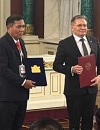
On 4 March, an intergovernmental agreement on principles of cooperation in the construction of a SMR (small modular reactor) in Myanmar was signed during the state visit of Myanmar leadership to Russia.
The document was signed in the presence of Russian President Vladimir Putin and Senior General Min Aung Hlaing, Chairman of the State Administration Council and Prime Minister of the Republic of the Union of Myanmar, by Alexey Likhachev, Rosatom State Corporation Director General, and Dr. Myo Thein Kyaw, Union Minister of Science and Technology of the Republic of the Union of Myanmar.
The intergovernmental agreement regulates the conditions and main directions of interaction between...
Arktika nuclear icebreaker assisted ship in mooring at the ice platform for the first time this year
National Research Tomsk Polytechnic University completed a course on research reactors and cyclotrons developed with support of Rosatom
 Rosatom scientists developed prototype plasma rocket engine for deep-space missions
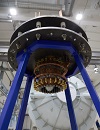
The scientists at Rosatom have developed a laboratory prototype of a plasma electric rocket engine based on a magnetic plasma accelerator, which exhibits improved thrust performance (at least 6 Newtons) and specific impulse (at least 100 kilometers per second).
The project is a part of a comprehensive program aimed at advancing nuclear science, engineering, and technology in Russia, which in 2025 emerged as a part of the new national initiative for technological leadership New Nuclear and Energy Technologies.
The average power of such an engine operating in a pulsed-periodic mode can reach 300 kilowatts. These engines enable spacecraft to accelerate in space to velocities that are beyond the capability of chemical...
Russia and the IAEA hold another round of Interdepartmental consultations in Moscow
Sixth unit of the Leningrad NPP will be stopped for planned overhaul
Novovoronezh NPP hired more than 200 new employees in 2024
Rostechnadzor Commission will check the readiness of the first unit of the Kalinin NPP for operation until 2044
Floating nuclear power plant has generated the first billion kilowatt-hours
IAEA OSART mission has started at Novovoronezh NPP
New record set for volume of cargo shipped along the Northern Sea Route
Statement by the Foreign Ministry regarding the latest US Sanctions against the Russian Federation
The Russian government has approved the general scheme for the placement of electric power facilities until 2042
The third unit of the Leningrad NPP has been put into planned overhaul
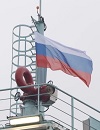 National flag of Russian Federation hoisted on Yakutia nuclear icebreaker
The contract for building two icebreakers, Yakutia and Chukotka, was concluded in August 2019. The Project 22220 icebreaker was laid down in May 2020 at the Baltic Shipyard. The icebreaker is 172.7 meters long and has a minimum operational draft of 9.03 meters.
In November 2022, the Yakutia icebreaker was launched. The Russian President Vladimir Putin took part in the ceremony dedicated to this event via videoconferencing. On December 1, 2024, the icebreaker embarked on builders sea trials.
Yakutia is the fourth icebreaker actually built under Project 22220. Its service life is 40 years. As is the tradition, the icebreaker is named after a region adjacent to the Northern Sea Route.
Capacity of a number of Russian units will be reduced during the New Year holidays
The fourth unit of the Kalinin NPP will be shut down on January 1, 2025 for maintenance
 Rosatom starts pilot operation of a fuel fabrication facility for the BREST-OD-300 fast reactor
The unit for fabrication/refabrication pf nuclear fuel for the innovative BREST-OD-300 fast neutron reactor was put into pilot operation in Seversk, Tomsk Region, West Siberia.
It is the first of the three facilities of the unique Generation IV Pilot Demonstration Energy Complex (PDEC), which is under construction as part of the strategic project Proryv (of the Breakthrough) on site of the Siberian Chemical Combine (an enterprise of Rosatom Fuel Division).
The cutting-edge fully automated facility has already successfully manufactured the first mockup fuel bundles of the BREST-OD-300 core design with depleted uranium nitride fuel pellets. All production sites of the new facility have undergone comprehensive testing.
Rosatom started key installation operation of 2024 at Gen IV research reactor MBIR
World’s only operational floating nuclear power plant generates 978 million kWh of electricity in five years
Rosatom manufactures nitride and oxide uranium-plutonium fuels for the BN-1200 fast reactor
Rostov NPP fulfilled the state task of the Federal Antimonopoly Service of Russia on electricity generation ahead of schedule
 Rosatom starts reactor tests in order to increase nuclear fuel enrichment
Russian scientists, for the first time, started reactor testing of nuclear fuel for VVER reactors with its matrix containing neutron absorber erbium and uranium-235 enrichment of about 5%. The irradiation is taking place at the MIR.M1 research reactor at the Dimitrovgrad Research Institute of Nuclear Reactors (a facility of the Scientific Division of Rosatom).
At present, the main fleet of nuclear commercial reactors worldwide operates is running on nuclear fuel with uranium-235 enrichment of less than 5% (mainly in the range of 3%-4.95%), which meets international standards for high capacity reactors fuel (except for fast reactors, small-scale NPPs and research reactors).
Nuclear icebreaker Yakutia has completed the stage of factory sea trials
Rwanda relies on Russia to train nuclear specialists - Minister
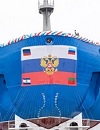 Alexey Likhachev attended the launching ceremony of Chukotka nuclear icebreaker
Alexey Likhachev, the head of ROSATOM, attended the launching ceremony of the fourth serial nuclear icebreaker, Chikotka, at USC Baltic Shipyard JSC in St. Petersburg on November 6.
President of the Russian Federation, Vladimir Putin, ordered the launch of the vessel via videoconferencing. He noted that the creation of such powerful vessels demonstrates Russia industrial, scientific, HR, and technological capabilities.
That is right - our entire domestic economy should be built on our own technologies and groundbreaking scientific solutions. I want to stress again: our plans to develop the Arctic and increase cargo traffic on the Northern Sea Route (NSR) depend directly on strengthening our...
Transfer of Zaporozhye NPP units to hot shutdown mode is not planned yet
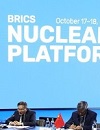 BRICS Industry Companies Supported Creation of Nuclear Energy Alliance
Top executives of the largest nuclear companies and organizations from BRICS+ member states, including Russia, China, South Africa, Brazil, Iran, Ethiopia, and Bolivia, held the first meeting within the framework of the Nuclear Energy Platform being created.
During the meeting, which took place at the Moscow Atom Museum, the participants discussed the initiative and outlined further plans.
The Platform is aimed at promoting best practices and advanced nuclear energy and other nuclear technologies in the BRICS and BRICS+ markets, providing incentives and models for nuclear projects in the BRICS member countries. Russian experts claim that by 2050 the BRICS countries will account for half of the global energy...
 Pietro Barabaschi visited Russian institutes
Pietro Barabaschi, Director-General of the ITER International Organization, reviewed the process of development and manufacturing of key Russian systems for the international thermonuclear reactor in St. Petersburg on October 9, within the framework of his official visit to the Russian Federation.
The first point of ITER Director-General visit was Efremov Scientific Research Institute of Electrophysical Apparatus (NIIEFA JSC, a ROSATOM enterprise).
Pietro Barabaschi held a meeting with the management of the Institute and saw around the facilities for high-tech components manufacturing of the future plant, in particular, the benches involved in the program of the first wall panels and diverter central assemblies manufacturing.
IAEA is ready to send its specialists to the Kursk NPP, if necessary - Grossi
Sergey Ryabkov, Deputy Minister of Foreign Affairs of the Russian Federation, and Nikolay Spassky, Deputy Director General of ROSATOM, held consultations with the IAEA delegation
IAEA Director General Rafael Grossi visits Kursk NPP
Energy exports from Russia to China increased to USD46 billion in the first half of 2024 - Sechin
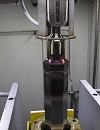 Rosatom starts afterburning of minor actinides in a fast reactor
During the scheduled refueling at the Beloyarsk NPP Unit 4, its BN-800 fast neutron reactor has been for the first time loaded with lead-test assemblies of uranium-plutonium MOX fuel also containing the so-called minor actinides, the most radiotoxic and long-lived components from irradiated nuclear fuel.
The loading of innovative fuel into the reactor core was approved by the Russia authorized regulator Rostekhnadzor (the Federal Service for Environmental, Technological and Nuclear Supervision), which had confirmed its safe operation. The power unit has resumed operation after the refueling.
The three lead-test MOX bundles containing americium- 241 and neptunium-237 were manufactured at...
Fuel loading at the first unit of Kursk NPP-2 is scheduled for November 2024
 ROSATOM takes part in the XXVII St. Petersburg International Economic Forum
ROSATOM takes part in the XVII St. Petersburg International Economic Forum (SPIEF-2024) which has opened today. ROSATOM acts as the titular partner of the Forum.
The booth of the State Corporation at the event shows how technologies serve for development of the humankind. Multi-media display items disclose the present and the future of the technological landscape as it is envisaged in ROSATOM. The digital mock-up of the Future City where all technological elements, from NPPs of the IV generation and nuclear medicine centers to electric propulsion and smart city ecosystems, have found their use, is in the center of the exhibition.
News from the second half of the XXI century are...
Theoretical ban on the sale of uranium in the United States will not cause problems for Russia - Likhachev
Beloyarsk NPP actively attracts young specialists
The next rotation of the IAEA mission observers took place at the Zaporozhye NPP
IAEA Board of Governors will hold an extraordinary meeting due to the attacks on the Zaporozhye NPP
415 nuclear units are operating in the world, 58 units are under construction
International graduates of Russian universities gathered at ATOMEXPO
ROSATOM starts testing of unique equipment for BREST-OD-300 nitride fuel fabrication
 Forum ATOMEXPO-2024 became a record-breaking event in number of participating countries and signed agreements
On March 26, 2024, the two-day International Forum ATOMEXPO-2024, one of the largest events in the global nuclear industry, completed its work at the Sirius University of Science and Technology (Sirius Federal Territory, Sochi). The exhibition area of the forum exceeded 25.5 thousand square meters, with more than 200 participating companies presenting their expositions.
The Forum, which became the 13th one, set a record in terms of the number of participants - about 4,500 from 75 countries (ten greater than in 2022). The event was honored by the presence of representatives of business, government agencies, and international organizations.
The forum platform brought together many high-profile guests. The sessions and round tables were attended by...
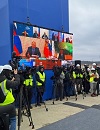 Main construction stage started at Leningrad NPP Unit 7
First concrete was laid in the foundation of the reactor building of Unit 7 with a VVER-1200 reactor at the construction site of new power units of Leningrad NPP (a branch of Rosenergoatom, Electric Power Division of ROSATOM). This historic event marks the beginning of the main phase of construction of new power units which will provide the country with clean energy for at least 60 years.
Speaking about the prospects for the development of the domestic nuclear industry, Russian President Vladimir Putin noted: By 2045, the share of nuclear generation in Russia overall energy balance will be increased to 25%. The construction of a new efficient power unit at Leningrad NPP will be a good contribution to this work.
Another round of interdepartmental consultations between Russia and the IAEA takes place in Sochi
ROSATOM will be the general partner of the World Youth Festival in 2024
At the fourth block of the Rostov NPP, the backup diesel power plant was modernized
Rosenergoatom received operator status for Ust-Kuiga small plant
Grossi will visit Russia and Ukraine in the next ten days
Smolensk NPP hired more than 170 new employees in 2023
Rosatom starts installation of the BREST-OD-300 4th generation reactor
Severe frosts did not affect the stable operation of Russian nuclear power plants
Historical record of the Northern Sea Route: the cargo carriage volume in 2023 exceeded 36.254 mln. tons
Next rotation of the IAEA mission observers took place at Zaporizhia NPP
ATOMEXPO-2024 Forum will take place on March, 25-26 in Sochi
Rosenergoatom has received licenses from Rostechnadzor for the construction of units No. 7 and No. 8 of the Leningrad NPP
Beloyarsk NPP employed 162 people in 2023
Russian nuclear power plants fulfilled annual task of Federal Antimonopoly Service ahead of schedule
Second reactor for Chukotka nuclear-powered ship was delivered to St. Petersburg
In Sosnovy Bor, the keys to the new housing were handed over to the servicemen serving on the protection of the Leningrad NPP
Monument to A.I.Leipunsky opened in Obninsk
The next rotation of the IAEA mission observers took place at the Zaporizhia NPP
Pilot operation in 18-month cycle has been completed at sixth unit of Novovoronezh NPP
Fuel reloading has started at the Russian floating nuclear power plant
Chairman of CNNC attends Russia-China business forum
WANO-MC completes follow-up peer review at Kola NPP
Cold hydro testing is started at Unit 1 of Kursk NPP-2
Kalinin-2 unit will be shut down for scheduled repairs with equipment modernization
Leningrad NPP has received permission to produce lutetium-177
The output at the Russian nuclear power plant for 8 months of 2023 amounted to over 141.8 kWh
The next rotation of observers of the IAEA mission took place at the Zaporozhye NPP
Kalinin NPP has generated 750 billion kWh of electricity since the beginning of operation
Rosatom Wind Farms Have Generated Over 1 Billion kWh of Electricity Year to Date
ROSATOM starts testing MOX fuel for VVER reactors
ROSATOM Discusses Russian Progress in Renewable Energy at SPIEF 2023
ROSATOM will establish a joint venture for the construction of energy fleet based on nuclear floating power units for overseas markets
 ROSATOM plans to construct SHELF-M reactor plant in Chukotka
ROSATOM and the Government of Chukotka have signed an agreement to collaborate on the implementation of a small nuclear power plant project in the region based on the latest Russian SHELF-M reactor plant. The agreement was signed during the St. Petersburg International Economic Forum.
Alexei Likhachev, Director General of ROSATOM, and Vladislav Kuznetsov, Acting Governor and Chairman of the Government of the Chukotka Autonomous Okrug signed the document.
The agreement outlines the intentions and procedures for cooperation between the parties in the construction of a nuclear power plant to ensure reliable and low-carbon power supply to the Sovinoye gold deposit and the...
Kuzminskaya Wind Farm Feeds First Electricity to Russian National Grid
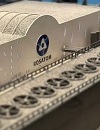 ROSATOM obtained a license for the first land-based SMR in Russia
On April 21, Rosenergoatom, a Joint-Stock Company, obtained a license issued by the Federal Service for the Supervision of Environment, Technology and Nuclear Management (Rostekhnadzor) to construct the Yakutsk land-based SMR in the Ust-Yansky District of the Republic of Sakha (Yakutia).
The design of land-based SMR is based on the latest Russian technology - a water-cooled nuclear reactor RITM-200N, developed by adapting an advanced low- power facility of shipboard design for a ground-based NPP. Reactors of the RITM-200 series have been tested in the harsh Arctic conditions onboard the advanced Russian icebreakers and meet all post-Fukushima safety requirements for the modern NPP design. This is...
Deputies of the RF State Duma Visiting Belarus NPP
MBIR became a participant of the BRICS GRAIN International Platform
Consultations held between the Russian delegation and the IAEA delegation
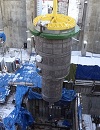 ROSATOM installs vessel of MBIR research reactor in design position
Installing the reactor vessel in its design position is a significant achievement of the work of a large team of like-minded scientists, engineers, designers, and builders. This is an important milestone in the MBIR reactor construction project, bringing us closer to installing reactor equipment and reaching the end of construction, which is already ahead of schedule. This means that we will get an advanced research infrastructure in a shorter amount of time, which will advance the study of two-component nuclear power engineering technology and our efforts to close the fuel cycle; it will help accelerate and justify the creation of safe fourth-generation nuclear power plants, and foster breakthrough research over the next 50 years. MBIR research reactor and PIK reactor are complementary...
Youth Forum Russia-Africa: Nuclear Education for Sustainable Development was held at RUDN University
At the construction site of the Kursk NPP-2, the installation of the domed part of the outer containment shell of power unit No. 1 was completed
Russian delegation and the IAEA hold consultations on ensuring safety of the Zaporozhskaya NPP
At power unit No. 2 of the Kursk NPP-2, accumulator tanks of the second stage of the passive reactor protection system were installed
 AtomExpo-2022: electric propulsion as a new paradigm
Within the framework of the forum, round tables were organized in various areas. One of it was held under the title Electric propulsion as a new paradigm for industry development, and the briefing for journalists was held after the event.
Electric propulsion is not the most relevant topic for the nuclear industry, and this was evident from the composition of journalists who asked questions, many of whom represented either general political or specialized automotive media.
At difficult times, large state-owned companies and corporations must take on government tasks. The restoration of the Russian automotive industry is one of such serious and important tasks, and the TVEL company...
Atomenergoproekt and Kaspersky Laboratory have developed a comprehensive plan for generation 3+ NPPs cyber security
 Shelf-M - Russian SMR
On November 21-22, the XII International Forum ATOMEXPO-2022 was held at the Sirius Center in Sochi. The forum was attended by over 3,000 specialists and guests from Russia, as well as 65 countries of the near and far abroad: representatives of business, government agencies, international organizations.
In the exhibition exposition of Rosatom, much attention was paid to Russian projects of small reactors in floating and land-based design. One of the ground-based projects is the well-known Shelf-M SMR, developed by NIKIET specialists.
The electric capacity of Shelf-M is up to 10 MWe, thermal capacity is 35 MWt. Core cooling is traditional, a unified design of an integrated water-water reactor is used.
Russia creates reserve source of energy supply for Zaporozhye NPP
 Over 3000 Attend ATOMEXPO 2022 International Forum
The 12th ATOMEXPO 2022 International Forum took place in Sochi (Russia) on 21-22 November.
Over 3,000 guests, including businesspeople, government agencies, and international organisations, from Russia and 65 other countries attended the event.
The forum motto was Nuclear Spring: Creating a Sustainable Future. The opening plenary session focused on prospects for the development of global nuclear energy. The discussion was attended by ROSATOM Director General Alexey Likhachev, Hungarian Foreign Minister Peter Szijjarto, Director General of Brazil ENBPar Corporation Ney Zanella dos Santos, Belarusian Minister of Energy Viktor Karankevich, Turkish Deputy Minister of Energy and Natural Resources Alparslan Bayraktar, and...
Prospects for international partnership in the implementation of MBIR reactor project will be discussed within ATOMEXPO-2022
The highest cooling tower built at Kursk NPP-2
Reactor Coolant Pipeline Welding completed at Kursk NPP-2 Unit No. 1 in record-breaking time
NovaWind and Dagestan Government Sign Deal to Cooperate in Wind Power Development
ROSATOM takes part in SPIEF-2022
Young Rosatom scientists discuss research on materials and nuclear fuel at the SSC RIAR
Installation of steam generators has been completed at Kursk NPP-2 power unit 1
The Rosatom Engineering Division has Participated in the 7th DIRB-2022 Conference
China and Russia have submitted to the IAEA a list of technical issues on Japanese plans to drain Fukushima contaminated water into the ocean
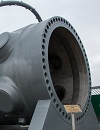 VVER and its future
Russia has adopted a strategy providing for the formation of two-component nuclear power with fast and thermal reactors. And this means that the VVER technology will remain in our country.
Moreover, according to the accepted development scenarios, the fleet mode units with generation III+ VVER will be introduced in Russia until 2038. The fleet mode units here are understood to be units with VVER-TOI, or rather, with updated VVER-TOI with increased consumer attractiveness and competitiveness.
Further development of the VVER line - the VVER-S with spectral regulation, and the first spectral VVER will also be the first modern VVER of average power of 600 MWe.
After its appearance, spectral VVERs will be able to...
Reactor was started on the Ural nuclear icebreaker
Research Institute of Atomic Reactors has once again confirmed the status of the state scientific center
ROSATOM starts irradiation of the new ATF fuel matrix
Neitronika-2022 will be held from May 31 to June 3, 2022 in Obninsk
Polar Crane has been Put in Operation at Kursk NPP-2 Unit 1
A conference of young specialists started at OKB Gidropress
Data processing center Arctic will be built at the Kola NPP
Specialists of SSC RIAR have successfully completed the modernization of the VK-50 reactor
Tomsk Polytechnic University hosted a ROSATOM Career Day for international students
Rusatom Overseas and Air Liquide completed a feasibility study for the construction of a hydrogen production complex on Sakhalin Island
ROSATOM Infrastructure Solutions Acquires Controlling Interest in Quadra Power
First REMIX fuel assemblies loaded at Balakovo NPP
441 nuclear units are operating in the world, 52 units are under construction
NovaWind starts supplying green electricity to Sibanthracite Group
Rosatom starts ATF operation in a commercial reactor
ROSATOM and Russian Far East and Arctic Development Ministry sign cooperation agreement on development of Great Northern Sea Route
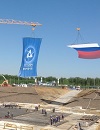 Rosatom starts construction of unique power unit with BREST-OD-300 fast neutron reactor
The construction of a 300 MW nuclear power unit with an innovative lead coolant BREST-OD-300 fast reactor has begun at the site of the Siberian Chemical Combine (an enterprise of Rosatom-subsidiary TVEL Fuel Company) in Seversk, Tomsk region (South-West Siberia). The reactor will run on mixed uranium-plutonium nitride fuel (MNUP fuel), specially developed for this facility (it is considered to be the optimal solution for fast reactors).
The power plant will make an integral part of the Pilot Demonstration Energy Complex (PDEC) - a cluster of three interconnected unique facilities, including the nuclear fuel production plant (for fabrication and refabrication), the BREST-OD-300 power unit, and the facility for irradiated fuel reprocessing.
Nuclear News Ticker - May 02, 2021
Nuclear News Ticker - March 24, 2021
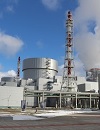 Unit 6 of Leningrad NPP commissioned for commercial operation
On March 22, 2021, VVER-1200 reactor-enabled Unit 6 was commissioned at the Leningrad NPP. Andrey Petrov, Director General of Rosenergoatom (part of the Electric Power Division of ROSATOM), signed the corresponding order.
Pilot operation with 15-day comprehensive tests preceded the unit commissioning. On March 10, following the tests, Russian nuclear watchdog Rostechnadzor confirmed the facility compliance with the design documentation, technical regulations, and energy efficiency requirements.
The Leningrad NPP's new unit is the fourth unit with a VVER-1200 reactor commissioned in Russia. Today milestone event brings the total number of NPP units in Russia to 38, Andrey Petrov noted.
Nuclear News Ticker - March 03, 2021
BN-800 fast reactor undergoes the first full refueling with MOX fuel
Rosatom will manufacture unique equipment for the BREST-OD-300 power unit
Nuclear News Ticker - February 14, 2021
Nuclear News Ticker - January 01, 2021
Nuclear News Ticker - December 22, 2020
Nuclear News Ticker - December 06, 2020
442 nuclear units are operating in the world, 53 units are under construction
Nuclear News Ticker - November 09, 2020
443 nuclear units are operating in the world, 53 units are under construction
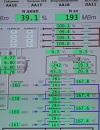 Leningrad NPP Unit 6 Connected to Grid, Delivers First Electricity to Russian Power System
This is a significant event, both for the power unit itself and for the country. There are two important milestones in the power unit setup process. One is the first bringing the reactor to a critical state at the minimum-controlled power level when it awakens. The second, which is even more important is the first connection to the grid, when the power unit begins to perform its function and produce electricity. Today, the country received another 1200 MW unit and strengthened its credibility as a leading power in the field of nuclear energy, Rosatom First Deputy Director General for Operations Management Alexander Lokshin said.
The new power unit was connected to the unified power system and tested at a capacity of 240 MW.
Leningrad NPP: Test Tubine Launch Took Place at Unit 6
Nuclear-powered icebreaker Arktika has reached the North Pole
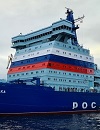 The second stage of the lead universal nuclear icebreaker Arktika sea trials is completed
On September 17, after completion of the second stage of sea trials, the lead universal nuclear icebreaker Arktika (Arctic) of the project 22220 returned to St. Petersburg. From June 23 to September 16 an inspection of mechanisms and equipment of the nuclear-powered vessel was carried out in the Gulf of Finland and Baltic Sea. Experts tested the electric power system under running conditions and maneuverable characteristics of the vessel under different draft variants.
The program of sea trials has been fully implemented, says Mustafa Kashka, Director General of FSUE Atomflot. The shipbuilders, contractors and the delivery crew have done a great deal of work. We are satisfied with the results. The Arktika nuclear icebreaker is ready to sail to...
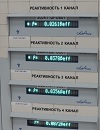 The first nuclear reaction has been recorded at unit 2 of Leningrad NPP-2
The final stage of the physical launch for the newest VVER-1200 2th power block has been launched at Leningrad NPP-2 (a part of the electric power division of ROSATOM). This is the first time the nuclear facility has reached the minimum controllable power.
This means that the neutron flux control equipment has recorded stable neutron capacity, and the first self- sustained controlled nuclear reaction has commenced in the reactor core.
The minimum controllable power is the lowest capacity level that enables us to conduct a number of tests and to verify the physical parameters of the reactor core to make sure it complies with the project requirements. Once these operations are completed and the...
1st bulk order of China-made sponge zirconium leaves for Russia
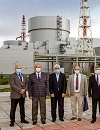 Leningrad NPP-2 Unit 2 Successfully Passes WANO Pre-start-up Peer Review
Experts of the World Association of Nuclear Operators (WANO) Moscow Centre have completed a pre-start-up peer review of the Leningrad NPP-2 Unit 2.
The purpose of review was to assess the readiness of the unit for safe start-up and further operation. Peer reviews are conducted at operating nuclear power plants once every four years, including at the start-up stage.
During the inspection at the Leningrad NPP, the team of international experts verified the operational, fire and emergency readiness of the power unit, as well as the level of safety culture among the plant personnel. These areas are of great importance in ensuring the reliability and safety of a nuclear facility throughout the entire...
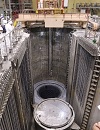 Fuel Loading Starts at Power Unit 2 of Leningrad NPP-2
After fuel is loaded, the reactor will be brought to minimum controllable power level (up to 1%), to ensure safety of all relevant processes. The physical launch will be followed by the power start-up, trial operation, and integrated testing. The power unit is scheduled to be commissioned in 2021. It will replace the RBMK-1000 reactor-equipped power unit 2 of Leningrad NPP-1, which will be shut down at the end of this year after 45 years of service.
The VVER-1200 is the flagship of ROSATOM Generation III+ PWR-type reactor and the world's only Generation III+ design in serial construction. Unit No. 2 at the Leningrad-2 NPP is going to be the fourth in the series following units No. 1 and 2 at the Novovoronezh-2 NPP, launched in 2016 and 2019 respectively, and unit No. 1 at the Leningrad-2 NPP, launched in 2017.
Rostov NPP has obtained a license for the production of medical oxygen
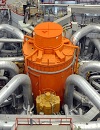 In 2022, the first Russian NPP power block running fully on renewable fuel is to be launched
In 2022, the 4th power block of the Beloyarsk NPP with a BN-800 fast-neutron reactor will be the first one in the history of our country to fully switch to uranium- plutonium MOX fuel. This will be an important step towards closure of the nuclear fuel cycle.
The full-scale transition of the Beloyarsk NPP BN-800 reactor to having a reactor core fully loaded with uranium-plutonium MOX fuel is planned for H1 2021. Fuel assemblies containing MOX fuel will be placed into the core, accounting for one-third of the total number of assemblies.
Since the beginning of the 4th power block operation and until now, the BN-800 has been operating a hybrid core combining fuel assemblies with uranium oxide fuel and those with tablet and vibration-consolidated MOX fuel.
 Lev Kochetkov turns 90 years
We are pleased and proud to meet Lev Alekseevich, as well as the fact that Lev Alekseevich is one of our frequent interlocutors. The AtomInfo.Ru online newspaper published L.A.Kochetkov memoirs about the First NPP, about the first Beloyarsk units, about the history of the fast program in the world from mercury to sodium.
The editorial board of the AtomInfo.Ru joins the congratulations of colleagues and wishes Lev Alekseevich scientific longevity, good health, happiness and new creative success!
The first batch of MOX fuel was loaded into the reactor at the Beloyarsk NPP
The floating NPP has delivered its first 10 mln kWh of electric power to the Chukotka grid
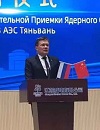 Engineering Division of ROSATOM and JNPC signed the acceptance statement confirming the transfer of the nuclear island of Tianwan-3
On January 20, Director General of ROSATOM Alexey Likhachev paid a working visit to the operating Tianwan Nuclear Power Plant (Jiangsu Province, China). Tianwan NPP is a result of Russia China joint efforts. Today, all four power units with Russian-designed VVER-1000 operate efficiently at the station.
Alexey Likhachev met with the head of the Atomic Energy Agency of China, Zhang Kejian, as part of his visit to the Tianwan NPP. Together they attended the signing ceremony for the final acceptance of the nuclear island at Unit 3, Tianwan NPP. Russia and China signed the final acceptance statement confirming the transfer of the nuclear island to the Chinese customer for operation.
Alexey Bannik, Vice President in charge of projects in China, ASE EC JSC (the Engineering Division of ROSATOM), signed the statement for the Russian side, and Zhang Yi, Deputy Director General of Jiangsu Nuclear Power Corporation (JNPC) appended his signature for China.
448 nuclear units are operating in the world, 52 units are under construction
450 nuclear units are operating in the world, 53 units are under construction
Smolensk-3 has obtained a license from Rostekhnadzor for extended lifespan
The changes to the Russian state program of nuclear development came into force
RASU JSC and Peter the Great St. Petersburg Polytechnic University Sign Partnership Agreement
Rosatom subsidiary awards contract for construction of BREST-OD-300 fast reactor facility and power unit
The Leader icebreaker project will be transferred to the Zvezda plant soon
Nuclear floating power unit Academician Lomonosov is approaching the port of Pevek
 The construction of the Akademik Lomonosov floating nuclear plant is completed
The nuclear floating power unit Academician Lomonosov is transferred to the customer, the Rosenergoatom.
The construction was ended with the signing of the acceptance act under which the power plant has passed all of the tests provided in the technical project, and successfully confirmed its characteristics.
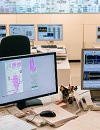 The second Novovoronezh NPP-2 power block delivers its first megawatts into the Unified Energy System of Russia
On May 1, 2019, the power startup of the Novovoronezh NPP-2 (Novovoronezh city, the Voronezh Region, an affiliate of the Rosenergoatom Joint-Stock Company, a part of the Electric Power Division of the Rosatom State corporation) 2nd power block took place.
Delegation from Japan visited Novovoronezh NPP
Russia and China signed the Executive contracts for the construction of Tianwan NPP and Xudabao NPP
449 nuclear units are operating in the world
Rosenergoatom: initial fuel loading began right on schedule at unit No. 2, Novovoronezh-2
Deputy Director General of ROSATOM Nikolai Spasskiy held negotiations in the Kyrgyz Republic
Rosatomflot icebreakers steered 331 ships of 12.7 mln ton total capacity in 2018
Rosenergoatom has obtained a license from Rostechnadzor to operate the decommissioned 1st power block of the Bilibino NPP in its new capacity
453 nuclear units are operating in the world
Rosatom Launches Batch Production of MOX Fuel for Fast Neutron Reactor
The works on reinforcing the bed plate of the first facility of the main cooling water system of the power unit No 1 - Unit Pump Station building - started at the construction site of Kursk NPP-2
Rostekhnadzor completed the additional service life readiness check of the power unit No 3 of Balakovo NPP
Leningrad NPP-2: Rostekhnadzor gave permission for operation of the powerplant of the super powerful innovative power unit No 1 with VVER-1200 reactor
HLMC-2018 is to be held at JSC SSC RF - IPPE (Obninsk, Russia) on October 8-10, 2018
First criticality at Novovoronezh-2-2 would be achieved in December 2018
VVER-1200 power unit No 1 of Leningrad NPP has successfully passed the final test and is ready for commissioning
453 nuclear units are operating in the world
Leningrad NPP: the assembly of the turbine island main equipment has been completed at the construction site of the innovative power unit No 2
Cold and hot trials of the 2nd unit equipment have begun at Novovoronezh NPP-2
Leningrad NPP: in Russia Day the new super powerful unit with VVER-1200 reactor was put at 100% power for the first time
At the power unit No 2 of Novovoronezh NPP-2 the loading of the imitation zone of the VVER-1200 reactor has started
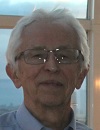 Siegfried Hecker: we are doomed to cooperate
When I look at the past, I have always thought that cooperation was extremely important.My feeling is that we did a lot of good; there were a lot of benefits to both countries. It’s often not appreciated that it was actually beneficial to both countries. Itis unfortunate that it came pretty much to an end between U.S. and Russia.
And I also believe very strongly that we are not finished. There are still certain issuesin the nuclear arena that are of common interest. The way that I look at it, we have to cooperate to get the best from nuclear technologies. That would mean nuclear energy, future of nuclear power, and nuclear medicine, all of those things where nuclear does a lot of good, and we’re not done.
The other is how to prevent the bad things from happening in the nuclear arena. That means the issue of nuclear materials security and safeguarding.
BN-800 is running at 100%
The Forum The Cities and Nuclear Technologies was held in Obninsk
The monument to the pioneers in nuclear energy was inaugurated in Obninsk
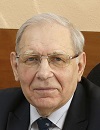 Vladimir Poplavskiy passed away
On June 18, SSC RF - IPPE Deputy Director General for Fast Reactors, Honored Scientist of the Russian Federation, Professor and Doctor of Engineering, Vladimir Mikhaylovich Poplavskiy, passed away.
Vladimir Poplavskiy was born on March 20, 1938 in the town of Shilka in Chita region.
Poplavskiy V.M. started working in the Institute for Physics and Power Engineering in the capacity of an engineer in 1960, after graduating with honors from Tomsk Polytechnic Institute. All his scientific and scientific-organizational activities were inseparably associated with the development of the technology and safety analysis of nuclear power plants with fast neutron reactors. One of the earlier lines of Vladimir's research concerned experimental and analytical investigation of emergency conditions in sodium-water steam generators and development of recommendations for steam generator emergency protection systems.
Reactor vessel is lifted at Novovoronezh NPP-2 second unit
The fourth unit of Leningrad NPP shutdown for a short-term repair
Ministry of energy and Rosatom are considering the question of delay in commissioning of nuclear reactors
The Rostov NPP: 3000 tons of pipes to be mounted on the power unit #4 under construction in 2015
The arrest of the Deputy Director of IPPE is extended until March 25
Kursk NPP: reduced power of unit No. 3
The incident at Leningrad NPP did not affect radiation safety
Kursk NPP reached a new historical maximum of electricity generation
Balakovo-2 is connected to the grid after shutdown
 Rostov-3 is connected to the grid
The third unit of Rostov NPP began to give the first kilowatt-hours in the unified power grid of the country.
Excess generation from Rostov NPP can be used to supply the needs of the Crimea
Medvedev has approved a draft agreement between the Russian Federation and Jordan on the NPP construction
Kursk NPP generates 800 billion kilowatt-hours
Atomenergomash has completed steam generator delivery to Tianwan-3
The IAEA experts confirmed the commitment of Kola NPP to continuous operational safety improvement
Short circuit at forty kilometers from the Kursk NPP had no impact on plant operation
China may get a share in SVBR-100
Rostov-1 is disconnected from the network
Balakovo-3 is shutdown for scheduled maintenance
Kalinin-1 will be shutdown for planned maintenance
Rostov NPP has successfully completed loading nuclear fuel into the unit 3
Fuel loading began on Rostov-3
BN-600 is at nominal power
Final inspection on Rostov-3
Balakovo-4 is online
Russia Generally Satisfied With Latest Iran Nuclear Talks: Deputy Foreign Minister
Iran Not Playing Tactical Games in Nuclear Talks: Russian Diplomat
Russia Eyes Nuclear Cooperation With Iran Under International Law: Diplomat
Iran Nuclear Deal May Not Require Ratification: Russian Diplomat
Iran, 5+1 Ministerial Meeting Could be Held in November: Russian Deputy Foreign Minister
TV Show Depicting Chernobyl Airs in Russia
Rosatom Developing Solutions to Ensure Energy Supply for Arctic Exploration
Russia Expects to Build 2 More NPP Units in China: Official
Germany, Greece, Italy to Conduct Observation Flights Over Russia: Defense Ministry
China Wishes to Cooperate With Russia on Development of Fast Neutron Reactors
Russia Urges Six Powers, Iran to Set Date for New Nuclear Talks as Deadline Looms
US Aggressive Policy Toward Russia Could Trigger Nuke War: Nuclear Disarmament Advocate
Russian Third Borey-Class Nuclear Sub Completes State Trials: Shipyard
Kola NPP turbine generation is working again
Russian Inspectors to Conduct Observation Flight Over Spain
Russian Scientists Take Water Samples from Near Fukushima Nuclear Plant
Russia Gives $10Bln Credit to Belarus for Nuclear Power Plant Construction
Russia Among Leaders in Nuclear Security, Technologies
Rosenergoatom: Ukraine Fully and Timely Delivers Equipment for Russian Nuclear Plants
Russia, India Discuss Construction of New Units at Kudankulam Nuclear Power Plant
Lavrov: Russia Hopes US Will Not Go Outside Scope Of Strategic Arms Reduction Treaty
Lavrov: Moscow Uninterested in Continuing Sanction War With West
Rouhani Says Iran in Nuclear Energy Talks With Russia to Continue Cooperation
Lavrov Says Cautiously Optimistic on Iran Nuclear Talks
Kremlin Aide: Russia to Sign NPP Construction Deal With Kazakhstan by Year-End
US Official: Preserving Arms Control Cooperation With Russia Becomes More Difficult
Scientists: Russian Fukushima Fallout Expedition to Help Develop Safer Nuclear Plants
Russian Scientists to Examine Kuril Islands for Fukushima Radioactive Waste
US, Russia Can Cooperate on Number of Issues Despite Differences on Ukraine: White House
Deputy PM Rogozin: Russia to Fully Renew Strategic Nuclear Arsenal by 2020
Ivanov: Russia Not to Quit INF Treaty Unless It Sees Security Threats
Russia and Jordan signed Project Development Agreement on Nuclear Power Plant Construction
Russia and South Africa signed the agreement on strategic partnership in nuclear energy
Russia to Lay Down New Borey Class Nuclear Sub in December
Russian Chemical Plant Produces First Nitride Fuel Assembly
Russia, Argentina to Increase Bilateral Trade to Up to $3Bln in 2015
Moscow State University in World Top 200
First-Ever Batch of Newest Nuclear Fuel Produces in Russia
Diplomat: Russia, US May Continue INF Treaty Talks, But Format Not Agreed Yet
Diplomat: Russia Sees No Reason to Discuss Illegal US Sanctions
Russian, Indian Nuclear Experts to Hold Consultations on Prospects of Cooperation
Russia Already Capable of Mirroring US Prompt Global Strike
Russia, Iran Presidents to Discuss Energy, Military Cooperation on Sidelines of SCO Summit
Russian Official: Next Launch of Bulava Missile May Be Multiple
Two More Bulava SLBM Launches Scheduled This Year: Russian Northern Fleet Source
Russia Successfully Test-Fires Bulava SLBM
Energy Minister: No Talks with Iran on Barter Supply of Oil, but Deal is Possible
Western Sanctions Pose No Threat to Russian-Iranian Energy Cooperation: Moscow
Over Ten Warships from Russia North Fleet to Hold Anti-Submarine Drills in Barents Sea
Russian Modified Military Doctrine Not Providing for Preventive Nuclear Strikes
Russia, Algeria Agree to Cooperate in Nuclear Energy, NPP Project Possible
Abbott: Australia Bans Uranium Export to Russia
NIKIET Institute Completes Design of BREST-300 Fast Reactor
No One Would Even Think of Starting Large-Scale Conflict With Russia – Putin
Moscow, Tehran to Hold High-Level Meetings in September
Iranian Foreign Minister Says Nuclear Program Focus of Russia Visit
Russian Scientists to Develop Nuclear Waste Removal Technology for Fukushima
Iran Could Become Party to Nuclear Non-Proliferation Treaty - Russian Foreign Ministry
Russia Continues Talks With Ukraine on Nuclear Plant Construction - Rosatom
Russia and Algeria have signed an agreement concerning the cooperation in the peaceful uses of atomic energy
Russia Plans First Nuclear Reactor Delivery to Belarus in 2015
Danish Inspectors to Conduct Observation Flight over Russia
Russia to Provide IAEA Inspectors Full Access to Nuclear Facilities in Crimea
Russia, US to Continue Talks on INF Treaty - Pentagon
Asteroid Defense - Casualty in Chilled US-Russia Relations - Expert
Moscow Dismisses INF Treaty Violation Allegations as Part of US Anti-Russian Propaganda
Belarus, Russia, Kazakhstan to Conduct Joint Counter-Terrorism Drills
Russia Builds New $28Mln Fighter Jets
Russia Commemorates Kursk Submarine Victims
Australia May Stop Uranium Exports to Russia - Reports
Japan Plans to Increase Agriculture Exports to Russia - Ministry
Russian Nuclear-Powered Icebreaker with Two Reactors in the Works
New Russian Nuclear-Powered Icebreakers Named Arctic, Siberia and Ural
Russia-Iran Oil Deal Consistent With UN Restrictions – Energy Minister
Moscow, Astana Drafting Joint Project to Build Kazakhstan’s First Nuclear Plant
US Tried to Subvert Signing of Major Russian-Iranian Oil Deal – Reports
US Deems Russian Drills Provocative Despite Location
Russian Prime Minister Says Budget Plan for 2015 Should Reflect Western Sanctions
UK, US to Carry Out Observation Flight Over Russia
Russia, Belarus to Fly Over Poland Under Open Skies Treaty
Moscow Calls US Report on International Arms Control Total Disinformation
Simultaneous Yukos Verdict, INF Treaty Rhetoric No Coincidence – Russia’s EU Envoy
Combat Aviation Alerted at Russian Far East Airfields – Russian Defense Ministry
Russian Military Reaffirms Strict Adherence to INF Treaty
NASA Experts, Russia Sign Radiation Safety Protocol Despite Sanctions
Moscow Expects Middle East Quartet Meeting to Be Held in September – Russia UN Envoy
G7 Leaders Say Ready to Impose New Sanctions on Russia
Russia Foreign Ministry Denies US Accusations of Violating INF Treaty
US Releases Report Accusing Russia of Violating INF Treaty
White House Accuses Russia of Violating Nuclear Weapons Pact
Russian, Chinese Companies Sign Memorandum to Build Floating Nuclear Plants
Allegation of INF Treaty Violation Part of US Anti-Russia Campaign - military expert
Washington Says Moscow Violated INF Treaty
No Prospects of Russia-US Second Reset in View - Russian Diplomat
A meeting of the Joint Coordinating Committee of the Russian Federation and Bangladesh was held in Moscow
Putin Visits Main Base of Russian Northern Fleet as Part of Navy Day Celebrations
Fifth Borei Class, Fourth Yasen Class Submarines to Form Backbone of Russian Navy
Russian Navy Replenishes Ship, Submarine Supply
Putin to Take Part in Russian Navy Day Celebrations in Severomorsk
Borei-Class Submarines Enter Service Ahead of Russian Navy Day
Chief Executive Officer of AKKUYU NPP JSC met with the representatives of the Administration of Mersin Province (Turkey)
Russia, Israel Joining Efforts to Improve International Terrorism Law
Russia Planning 3 Advanced Fast-Breeder Reactors at Beloyarsk Nuclear Power Plant by 2030
Russia to Build Nuclear Fuel Cycle Research Complex by 2017
US Military Inspectors to Fly Over Russian Territory
Russian, Iranian Presidents Discuss Nuclear Negotiations by Phone – Kremlin
Russia Creates Unique Station to Analyze Seismic Activity in Arctic
Russia Transfers $6.8 Million for Arctic Council Environmental Projects
India, Russia Start Naval Drills in Sea of Japan
Two More GLONASS Stations to Open in Brazil – Brazilian Foreign Minister
Russia, Saudi Arabia to Sign Civilian Nuclear Cooperation Deal
Russian Drills Aim at Potential Nuclear Disaster Response – Ministry
Russia Sends Envoy to International Agencies in Vienna to Attend July 13 P5+1 Talks
Russia, India to Hold Naval Exercises in Sea of Japan
Russian Engineering Universities Rank High on Global Ratings
Crimea Sees Creation of First CBRN Defense Unit
Nuclear Chain Reaction to be Launched at Russia Fast-Neutron Reactor
Kiev Has No Intention to Turn Down Russian Nuclear Fuel - Ukrainian Energy Ministry
Russia, Iran to Sign Contract on Two Energy Blocks by Year End
Major Couterterrorism Project Frozen due to Russia-NATO Dispute - Alliance Ex-Official
Russian Navy to Equip Fifth-Generation Submarines With Military Robots
World Nuclear Energy Shifts to Asia - Rosatom
Russia to Allocate $26 Billion to Atomic Energy Complex Development
Russian Androids to Surpass Western Alternatives – Deputy Prime Minister
Putin, Hollande to Discuss Ukrainian Crackdown Ahead of D-Day
Russia to Use Nuclear Fleet in Arctic Rescue Missions
Russia to Conduct First-Ever Extreme Space Research Aboard Satellite
NASA Experts to Discuss Lunar Missions in Russia Despite Sanctions
Russia, Belarus Settle Nuclear Power Plant Dispute
Russia to Test Two Bulava Intercontinental Ballistic Missiles This Autumn
Russian Strategic Missile Troops to Conduct 120 drills, Test 12 ICBMs by 2015
Russia to Help Kazakhstan Build Nuclear Power Plant
Russia Lays Down 6th Kilo-Class Sub for Vietnam
Putin, Nazarbayev to Discuss Energy Cooperation, Ink Agreements on Peaceful Atom – Official
Russia, Argentina in Talks on Energy Investments – Lavrov
Russia to Build 2 More Emergency Rescue Centers on Arctic Coast
Russia, Turkey to Discuss Ukraine at Moscow Meeting
Russia Working to Develop Promising Energy Sources – Putin
Moscow to Respond if US Speeds Up European Missile Defense – Foreign Ministry
Share of Nuclear Power in Russian Energy Balance Should Reach 25 Percent – Putin
Putin Discusses Top-Level Cooperation With New Indian Prime Minister
Normalizing Russia-West Relations Requires Dialogue – Russian NGO
Russia May Sign Agreement to Build 8 Reactors in Iran
Medvedev Instructs to Submit Proposals for Public Funding of Nuclear and Biomedicine
Norway Signs Deal on Nuclear Waste Disposal System in Northern Russia
Russia and China Call for Compromise on Iran Nuclear Issue
Putin Expects Stronger Relations With India After Opposition Win
Chinese Companies to Help Build Russian Transbaikal Plant
All Russian Missile Divisions to Receive Yars Simulators This Year
Russia to Refit 2 Sierra-Class Nuclear Subs
Russian Foreign Ministry Brands New EU Sanctions Irresponsible
Russia to Quadruple Precision Strategic Weapon Platforms by 2021
Russia Test Launches ICBM During Exercises Led by Putin
Russian Deputy FM Says Washington Cutting Bilateral Ties with Moscow Over Ukraine
Russia to Build World’s Largest MBIR Fast Neutron Nuclear Reactor
Russian Customs Rejects Radioactive Cars From Japan
Russian Nuclear Inspectors Tour Demolished US Launch Facilities
Russian Scientists Hand Over Synchrotron to US Lab Despite Sanctions
Russia to Build Network of Modern Naval Bases in Arctic - Putin
Russian Customs Rejects Radioactive Cars From Japan
Russian Fast Neutron Nuclear Reactor Design Moves Forward
First Borey-Class Strategic Sub Ready for Combat Patrols - Russian Navy
Rosatom Urges Ukraine Not to Politicize Nuclear Fuel Supplies
Safety Levels High at Russian Nuclear Power Plants – Watchdog
Russia Nuclear, Missile Industries Completely Domestic – Electronics CEO
US to Curtail Cooperation with Russia Under Disarmament Agreement
Russia, US Complete Warheads-for-Fuel Program
Russia Should Boost Military Ties With Iran Amid Standoff With West
Russian Government Working on New Iran Oil Deliveries Scheme
US Energy Department Halts Cooperation with Russia on Peaceful Nuclear Projects
US Pullout on Missile Defense Talks Won’t Impact Russia
Pentagon Suspends Missile Shield Talks with Russia over Ukraine
Europe Risks Losses of $215 Billion by Stopping Russian Gas Imports – Report
Kazakhstan Gives Green Light for Russian Nuclear Transit
16,000 Chernobyl Veterans Awarded Increased Compensation
Russia Poses No Threat to Ukraine Nuclear Sites – Russian FM
Chemical Weapons Watchdog Chief to Visit Russia – Lavrov
Russian Navy Unveils New Class of Submarines
OECD Freezes Russia Membership Bid
Deputy PM Says Russia Should Re-Arm Amid US, NATO Threats
Russia Mulls Banning US Nuclear Arms Inspections – Source
Russia Plans 2 More Ballistic Missile Tests in March
Russia Test-Fires ICBM to Target in Kazakhstan
Russia to Overhaul Fleet of Amphibious Assault Ships – Minister
3 Missile Corvettes to Join Russian Navy by 2016
Russia Prepares for Naval Drills with China, India, ASEAN
US Ambassador Leaves Russia After Mixed Stint
Obama, Putin Hold Constructive Call on Ukraine Crisis
Russian Sub to Feature Advanced Quiet Propulsion by 2016
Russia to Strengthen Mediterranean Force With ‘Stealth’ Subs
Shoigu Says Rumors of Russian Military Downfall Nonsense
Russian Defense Minister Visits Pacific Nuclear Sub Base
Russian Rear Admiral Kills Himself Over Painkiller Red Tape
DowAksa announces investments in the Nanotechnology Center of Composites
Russian Economic Development Minister to Visit Iran
Russia Slams New US Sanctions Against Iran
Obama Says No Icy Relations with ‘Tough Guy’ Putin
Russia to Begin Building 9 Submarines by Next Year
Russia Gives N. Korea Grain Supplies, Expects No Nuclear Test
Russia Prepared to Modify Submarines for Indian Tender
Criminal Group Suspected of $30M Fraud at Russian Shipyard
US Official to Visit Russia to Discuss Defense Issues
Russia May Build New Aircraft Carrier by 2023 – Designer
US Alleges Russian Missile Treaty Violation – Report
Russian Bank Fined $9.5M by US for Violating Iran Sanctions
Russia Predicts Far East Tsunami in 2014
Head of Major Russian Shipyard Accused of Fraud
Russian Carrier Group Conducting Exercises in Mediterranean
Russia Begins Nuclear-Powered Missile Cruiser Overhaul
Russia Plans Cruise Missile Tests, Bomber Patrols for 2014
New Siberian Particle Accelerator Gets Official Backing
Russia Begins Construction of National Defense Center
Iran Stresses Nuclear Deal Compliance in Meeting With Putin
Russia Says No Secret Plans With Iran, Syria for Geneva Talks
Russia to Lend Hungary $13.7Bln for Nuclear Plant
Ukraine Secures $6Bln Loan Option to Develop Atomic Energy
Russia to Triple Uranium Production in Next 2 Years – Rosatom
Russian Pilots to Train in Enhanced Il-38N Aircraft in 2014
Russian Navy to Get 40 New Ships in 2014
Russia Commissions New Attack Submarine
Northern Fleet Deploys New Borey-Class Nuclear Subs
Russia Test-Fires ICBM to Target in Kazakhstan
New Russian Attack Sub to Join Navy on Dec. 30
Russia Test Fires New Yars Ballistic Missile
Russian Diplomat Laments Stagnation in Ties With US
Russia to Test-Fly New Bomber in 2019
Russia to Commission 2nd Borey Nuclear Sub on Dec. 23
Russian Military to Decide on Missile Deployment at NATO Borders
Moscow Sees No Pause in US Relations, Ready to Receive Obama
Putin Says No Iskanders Deployed in Kaliningrad
Russia Plans Rail-Mounted Missiles to Counter US Global Strike Program
Iran Expects Russia to Fulfill S-300 System Contract – Ambassador
NATO Members Alarmed by Russian Nuclear Missile Deployment
Russian Missile Forces to Field New Heavy Missile by 2020 – Commander
Russia Confirms Tactical Missile Deployment on NATO Borders
New US Sanctions on Iran Threaten Nuclear Deal, Russia Warns
Akula-Class Nuclear Subs Overhaul Could Take Decade – Shipyard
Russia to Finish Slava-Class Missile Cruiser Refit in 2015
Russia Says Iran Deal Makes US Missile Shield Plan Redundant
Putin Says Bids to Gain Military Dominance Over Russia Futile
Putin Says Missile Defense Systems Threathen Strategic Balance
Director General of ROSATOM S. Kirienko had talks with U.S. Secretary of Energy E. Moniz
The Russian-Kazakh Joint Working Group had its sixth session
Russia Reaffirms Plans to Cooperate With Iran on Peaceful Atom
Russia Warns of Nuclear Response to US Global Strike Program
Russia Warns of Nuclear Response to US Global Strike Program
US-Russian Warheads-for-Fuel Program Completed
Putin Again Slams US Missile Defense Plans
Putin Signs Decree to Implement Sanctions Against North Korea
Iran, Russia Talk New Nuclear Power Plant Deal – Report
Russian Nuclear Subs Entry Into Service Pushed Back to 2014
Russia to Deploy 22 New Ballistic Missiles in 2014
US Knew Russia Violated Nuclear Treaty – Report
Iran Deal Nullifies Needs for Europe Missile Shield - Russian FM
Russian Military Inspectors to Fly Over Turkey
Putin Praises Iran Nuclear Deal
Russia to Build Disposal Facility for Soviet-Era Nuclear Waste
Putin, Netanyahu Hope for Solution on Iran Nuclear Program
Russian Defense Ministry Blames Makers for Failed Missile Launch
Murmansk Region to Launch New Cruise Itineraries and Arctic Museum
Russia, India to Hold Joint Naval Drills in Sea of Japan
Putin Sees Real Chance for Iranian Nuclear Solution
Russian, US Top Diplomats Discuss Syria, Iran - Moscow
Lavrov Says Good Chance of Nuclear Deal with Iran
US Plan for Iran Nuclear Program Blocked After Hasty Changes – Russia
First Chapter of US-Russian Megatons-to-Megawatts Deal Closes
Russia to Start Building 5th Borey Nuclear Sub in 2014
Putin Says Korean Reunification Only Possible via Peaceful Means
Russia Says Iran Not to Blame for Geneva Talks Failure
Nuclear Cruiser Leads Russian Task Force in Mediterranean
Russian Shipbuilder Outlines Concept of Future Attack Submarine
Putin, Saudi King Discuss Syria, Iran - Kremlin
Russia Lavrov Urges Political Will to Solve Iran Nuclear Row
Russia to Offer Ukraine Major Joint Projects if No EU Deal Is Signed
Russian Navy Likely to Receive 2nd Borey Nuclear Sub by Year-End
Iran Talks in Geneva Likely to Include Russian Foreign Minister
Russia to Deliver 2 More Black Hole Subs to Vietnam in 2014
Russia to Deploy More Yars Ballistic Missiles by Year-End
Russian-French nuclear power declaration has been signed
Russia Starts Building Largest-Ever Nuclear Icebreaker
Russian Army Improves Quality of Combat Training
Safety Systems Shut Down Russian Arctic Nuclear Reactor
Russian Strategic Bombers Complete South American Mission
Russian Navy Newest Missile Subs Not Operational – Source
Russian Bombers to Continue Patrols Over South America
Russian Tu-160 Strategic Bombers Land in Nicaragua
Putin Checks Readiness of Russia Nuclear Deterrent
Russian Tu-160 Strategic Bombers Land in Venezuela
Russia New Nuclear Sub Completes Sea Trials – Shipbuilder
Rosatom Picked to Build $10Bln Jordanian Nuclear Plant – Reports
No Russian Ban on Ukrainian Imports After EU Deal – Minister
Russian Judge Probed for Awarding Damages to Chernobyl Vets
French PM to Discuss Space, Nuclear Deals in Russia - Envoy
Russian Military Inspectors to Fly Over United States
Moscow Needs More Predictability in NATO Missile Defense Plans
Russia, US Stand Closer on Key World Issues - Ambassador
Russian Nuclear Cruiser Departs on Atlantic Mission
Iran Gives Drone Based on Downed US Spy Plane to Russia
India Looks to Russia as Provider of Future Energy Security
German, Latvian Military Inspectors to Overfly Russia, Belarus
Indian Premier Arrives in Moscow For Summit
Russian Military Inspectors to Fly Over NATO Territory
Indian PM Praises Russia for Assistance in Nuclear Energy Development
US Itching to Join Russia in Anti-Asteroid Nuclear Defense – Report
US, Swedish Military Inspectors to Overfly Russia, Belarus
Russian Warheads Fuel Half of US Nuclear Power – Official
6-9 Months Enough to Find Solution on Iran Nuclear Program – Lavrov
Russian Attack Submarine to Finish Sea Trials This Year – Maker
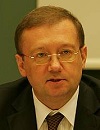 Russia Seeks CTBT Early Entry Into Force
Russia is a strong advocate of the early entry into force of the Comprehensive Nuclear Test Ban Treaty, which is to become an essential part of the international legal security system and an important link to the other nonproliferation and disarmament instruments. We strongly believe that it has the potential to become an important confidence building measure.
At present, 183 states have signed the Treaty and, as of April 9, 2012, 161 have ratified it. However, 17 years since the CTBT opened for signature, the prospects for a full-scale launch of the Treaty remain uncertain, which gives cause for serious concerns. We believe that special responsibility for the CTBT future lies with the remaining 8 states among the List of 44, which have to ratify the Treaty in order for it to come into force. Russia urges these countries to join the CTBT as soon as possible and without preconditions.
All states that support the CTBT must doubtless continue their efforts to promote the Treaty and build up positive mass on the way to its universalization and early entry into force.
Rusatom Overseas signed the Memorandum of Mutual Understanding with the Civil Nuclear Cooperation Center at the Czech Technical University in Prague
Russia New Nuclear Submarine Completes White Sea Trials
Russia to Up Nuclear Weapons Spending 50% by 2016
Russians Divided on New Cold War with US – Poll
Russia to Test Launch Newest ICBM by Year-End – Industry Official
Russian Navy Confirms Discovery of New Island in Arctic
How Soviet Officer Averted 3rd World War 30 Years Ago
Moscow State University Makes Fidel Castro Son Honorary Professor
Russian Press at a Glance, Monday, September 30, 2013
Obama, Kerry Push and Pull in Rocky Year with Russia
Russia, US Neck and Neck in Hypersonic Research – Rogozin
Defense Minister Unveils Russia Wartime Plan
Rosatom to Be Key Contractor in Finnish NPP Project – Putin Aide
Norwegian Military Inspectors to Fly Over Russia, Belarus
Russian Nuclear Site Worker Killed for Doing Bad Job – Investigators
Consequences for Russian Missile Crash Will Be Harsh – Official
US, Russia Sign Nuclear Energy Agreement
Criminal Case Opened Over Russian Nuclear Sub Fire
IAEA to Study Environmental Impact of Russian Power Plant in Baltic
Russian Troubled Bulava Missiles Returned to Maker – Official
Russian Nuclear Sub Safe After Fire – Defense Ministry
Russian Former Energy Manager Gets 3 Years for $3M Embezzlement
Fire on Nuclear Submarine in Russian Far East Extinguished
Canadian Military Inspectors to Fly over Russia, Belarus
Putin Holds First Talks With New Iranian President
Russian, Iranian Leaders to Discuss S-300 Deliveries Deadlock
Putin Uses NYT Op-Ed to Warn US Against Syria Strike
Russian Lawmakers Call for More Arms to Iran if Syria Attacked
Russian Parliament Urges US to Drop Syria Attack Plans
Development of S-500 Air Defense System on Schedule – Maker
Russian Military Inspectors to Fly Over France
Russia Puts Submarine Trials on Hold After Bulava Failure
Russia Questions IAEA on Syrian Nuclear Risks
US, Russia Need New Reset – Putin Spokesman
Russia to Question IAEA on Syria Nuclear Risks
Russia Begins Open Skies Flights Over US
Russia to Open Trade Mission in South Africa
Russian FM Lavrov to Meet with South African Counterpart
White House-Kremlin Cold War Hotline Turns 50
Russia Reiterates Offer to Help Clean Up Fukushima Radiation
S-300 Missiles for Iran Dismantled, Scrapped – Manufacturer
Italian Military Inspectors to Fly over Russia
Russia Inspects US Missile Defense Base in California – Report
Iran President to Attend SCO Summit, Meet Putin
Largest Piece So Far of Chelyabinsk Meteorite Found – Scientists
US, Russian Officials Discuss Missile Defense
Russian Navy to Receive 10 Rescue Vessels by Year-End
Estonian, Finnish Military Inspectors to Fly over Russia
Chelyabinsk Meteorite Plume Lingered for Months – NASA
Fukushima Children Come to Russian Far East for Holiday
Moscow Hails Reopening of North-South Korean Industrial Park
No Progress in Russia-NATO Missile Defense Talks – Official
No S-300 Substitute for Iran in the Cards – Rosoboronexport
British Military Inspectors to Fly Over Russia, Belarus
Iran to Sign New Nuclear Power Plant Deal with Russia – Minister
Nuke Deals to Proceed Despite US-Russian Spat – Paper
Putin to Meet With New Iranian President on Sept. 13
5 States Agree to Help Russia Build Heavy-Ion Collider
US, Russia to Discuss Obstacles in Relations
Russian, UK Inspectors to Conduct Open Skies Mission Over Sweden
Russia Expects Continuity in Iran Cooperation After Rouhani’s Election - Lawmaker
Top Russian Physics Centers Face Kremlin-Backed Merger – Report
Radiation-Contaminated Japanese Cars Still Concern – Russian Customs
New Sanctions Will Suffocate Iran – Russian Diplomat
Iran Not in S-300 Missile Replacement Talks – Envoy
Russia Set to Create National Defense Center
Putin Notes High Rate of Signed Defense Contracts
Russian Mediterranean Fleet Foreign Policy Tool – Ex-Navy Chief
Russia Begins Inspection Flights Over United States
New Russian Attack Sub to Have Advanced Sensors
Russian Defense Ministry Signs $100 Mln Deal to Overhaul 3 Tu-160 Bombers
Russia Mulls Opening Branch of Skolkovo Tech Hub in Belarus
Six Nations Committed to Extensive Talks with Iran – Russia
Evacuation of North Pole Station to Cost Russia $2 Mln
Putin Affirms Russia Focus on High-Precision Weaponry
New Russian Air Defense System to Detect Missiles at Blastoff
Russian Shipyard Confirms Delivery of 3 Nuclear Subs in 2013
Russia to Field 30 Times More Cruise Missiles by 2020
Russia to Lay Down 3rd Yasen Class Nuclear Sub on July 26
US Officials Say Russia Violating Missile Treaty – Report
Moscow to Hold Nuclear Talks With Pyongyang
N.Korea, Russia to Discuss Resumption of Six-Party Talks
Russian-US Warheads-for-Fuel Program to End in 2013
No Obstacles to Russian Nuclear Tech Use in Europe – Envoy
US-Russia Bombs-to-Fuel Program 95% Complete - NNSA
Russian Defense Ministry Signs $23 Bln in Arms Deals
Nuclear Arms Reduction Deals to Become Multilateral – Lavrov
Russian Nuclear Chief Eyes UK Opportunities
Nuclear Medical Centers to Open in 5 Russian Cities – Rusnano
Obama Extends National Emergency on Russian Nuke Material
Moscow Links More Nuclear Cuts to Missile Defense - Minister
Obama Nuclear Arms Pitch More About Legacy Than Russia – Analysts
Russia Skeptical Over Obama New Nuclear Reduction Proposal
Obama Urges Further US-Russian Nuclear Cuts
Missile Defense Dispute Requires More Transparency – Putin
US Lawmakers Put Brakes on Russia START Nuclear Pact
Putin, Obama Optimistic About Future of Iran Nuclear Talks
Russian MP Rules Out US Military Scenario for Iran
Putin Congratulates Iran Rouhani with Election, Offers Cooperation
US Lawmaker Seeks Pentagon Checks on Russia Energy, Military
Russian Church, Scientists Clash Over Theology for Physicists
Upgraded Nuclear Cruiser to Rejoin Russian Navy in 2018
Russia Third Borey-Class Sub Blessed for Sea Trials
Missile Defense Key to Developing US-Russian Ties – MP
Russia No Security Rival to Washington – US Ambassador
Russian Rescue Mission Reaches Drifting North Pole Station
Russian Nuclear Submarine Contracts Underpriced
Russia Tests Missile Defense Killer
Russia Welcomes North-South Korea Talks
Kremlin Restates Security Interests in Mediterranean
US, Russia Urge Iran to Cooperate With IAEA
Russia to Host Annual Regional Security Conferences
Kaspersky Lab Uncovers Global Cyberespionage Network
Russia New Nuclear Sub in Sea Trials
Vice-president of Rusatom Overseas Jukka Laaksonen gave a report on global expansion of VVER technology
VetroOGK to Build Wind Energy Parks in South Russia
Russia Calls For Multilateral Nuclear Cuts
Missiles but No Meteorites on US-Russian Agenda – Official
Moscow Welcomes N.Korea Bid to Return to Nuclear Talks
Foreign Defense Officials Visit Russian Military Base
Putin, Obama to Meet in June, September - Kremlin
Russian Navy Shipbuilding Program at Risk - Deputy PM
Missile Defense Obstructs Nuclear Forces Cuts - General
US Lawmakers Try to Block Sharing Missile Defense Data with Russia
Putin Calls on Shipbuilder to Speed Up Naval Deliveries
Russia to Scrap World Biggest Nuclear Subs
Russia Concerned Over N.Korea Missile Launches - Minister
Putin Reaffirms S. Africa Nuclear Power Assistance
Russia Boosts Emergencies Space Monitoring
Russian Pacific Fleet Warships Enter Mediterranean
N.Korea Rejects Kaesong Talks
US Ready to Rumble with Iran, Russia
CIA Spy Row Won’t Affect Russia-US Ties - Senator
Russia, Vietnam Discuss Investment Projects
Russian Security Council Chief Upbeat Ahead of US Visit
 Russian View on the Non-Proliferation of Nuclear Weapons
The preparatory committee for the 2015 NPT review conference took place in Geneva on April 22-May 3.
Russia views strengthening the NPT regime as a crucial task, and considers it, unquestionably, a foreign policy priority. We believe that the Treaty realization and consolidation serves the interests of all states.
Before the conference, the five NPT nuclear-weapons states met in Geneva on April 18-19, under the Russian Federation chairmanship. They reviewed the progress made towards fulfilling the commitments made at the 2010 NPT review conference, and continued discussions on issues related to all three pillars of the NPT: non-proliferation, the peaceful use of nuclear energy, and disarmament. The participants issued a joint statement which was submitted as a preparation committee document at the NPT review conference.
One of the most serious issues on the agenda of the NPT review process is the creation of the nuclear weapons free zone in the Middle East.
Moscow Urges Mideast WMD-Free Zone Conference
Aliens Messed with US, Soviet Nukes – US Airmen
Three Russian Nuke Subs to Be Recommissioned in 2013
Russia, Japan Demand N.Korea Comply With UN Resolutions
Russia Ready to Boost Energy Supplies to Japan – Putin
Military Court Acquits Nerpa Submarine Tragedy Suspects
Ukraine Thanks Russia, US for Chernobyl Aid
Jury Clears Two Men in Nerpa Submarine Disaster Retrial
Greenpeace Urges Evacuation From Contaminated Urals Area
NATO-Russia Partnership Yet to Become Strategic - SecGen
China Offers Russia Floating Nuke Plant Joint Project
Investigators Deny Secret Video in Submarine Disaster Trial
Three Nuclear Subs to Join Russian Navy by Yearend
Egypt Invites Russia to Join NPP, Uranium Mining Projects
Murmansk and Norway to Cooperate on Radiation Safety
Russia to Get New ICBM Later this Year
Medvedev Offers Prize for Plan to Diversify Economy
Kurchatov Institute Gets $230 Mln From Federal Budget
Moscow Says It Is Ready to Pick Up Positive Signals from US
Putin Warns Korean Crisis Could Be Worse Than Chernobyl
Moscow Hails US Decision to Delay Missile Test
Russian Strategic Bomber Burned Beyond Recovery – Paper
Russian Deputy PM Says Cooperation with CERN Important
US, Russia Remove Nuclear Material From Czech Republic
Photo exhibition “The Russian Nuclear Power” started in Bangladesh
Russia Eyes Nuclear Power Project in Finland – Source
N.Korea Actions Complicate Nuclear Talk Prospects - Russia
Putin, Obama to Meet in June - Kremlin
US Needs 5-7 GBIs to Intercept One Topol ICBM - Expert
Russia to Scrap Last Soviet-Era Nuclear Sub by 2014
Russian Military Says CFE Treaty Has No Future
Russian Third Borey-Class Sub to Start Trials in June
Moscow Calls for Restraint Amid Korean Peninsula Tensions
Russia to Deliver First Kilo Class Sub to Vietnam in 2013
Russian Navy Develops New Mini Submarines
Moscow Warns Against Muscle Flexing Around N. Korea
Joint Russia-NATO Missile Shield Inefficient - Rasmussen
Russia Offers S. Africa Help With Nuclear Power
US, Russian Defense Chiefs Agree to Resume Missile Defense Talks
Shoigu Urges Pentagon to Revive Missile Defense Dialogue
Moscow Police Seize 14 Kg of Radioactive Material from College Teacher
Second Borey-Class Sub to Join Russian Navy by Yearend
Moscow to Study New US Missile Defense Proposals
Moscow to Discuss Changes in US Missile Defense Plans
Russia to Modernize Akula Class Attack Submarines
China, Russia to Stand Together on Missile Defense in AsPac
Russian 5G Submarine to Feature New Stealth Technology
Rostov NPP: international experts paid a preliminary visit
Moscow Needs Explanations on US Missile Shield Changes
Moscow Unimpressed by Changes in US Missile Defense Plans
Russia Goes Ahead with 5G Submarine Project
US Missile Defense Shift No Way About Russia
Russian Mediterranean Task Force to Comprise 5-6 Warships – Navy Chief
Russia, UK to Discuss Prospects of Military Cooperation
Russian Navy to Receive 24 Subs, 54 Warships by 2020
Chinese Leader Russia Visit to Boost Strategic Partnership
Russia, US In For Serious Missile Defense Talks - Ambassador
Moscow Urges Libya to Stop Arms Leakage
Russia Invites US Military Chief to Missile Defense Talks
Russia to Back UN Sanctions Against North Korea - Ambassador
Russia to Resurrect Titanium Submarines
Russia Needs Million Under Arms Says Kremlin Chief of Staff
Russia Calls for UN Security Council Meeting on N.Korea
Putin, Ukrainian President to Hold Talks
Soviet Nuclear Spy Daughter Refutes Rumor About Offspring
Medvedev Paints Gloomy Picture of US Missile Defense Dispute
A delegation of the Royal Navy of the Great Britain visited the Atomic Energy Information Center in Murmansk
VTB Offers $1Bln Loan For Vietnam Nuclear Plant
Russia Expects Bilateral Trade with Brazil to Reach $10 Bln
Later Borey Class Subs to Carry Only 16 Missiles – Source
Russian PM Medvedev Arrives in Brazil
Putin Meets with Jordanian King Abdullah II
Moscow Against North Korea Trade Sanctions
Russia, Jordan Leaders to Discuss Nuclear Power Project
Russian PM Medvedev to Visit Brazil, Cuba
Lavrov, Kerry Talk Syria Settlement, North Korea Test
Over 24,000 Workers Involved in Urals Meteor Blast Cleanup
Divers Find No Trace of Meteorite in Urals Lake
Meteorite Fireball Slams Into Russia, 1,000 Hurt
Meteorite Shower Hits Russia, Kazakhstan
Russia Ready to Consider Further Nuclear Arms Cuts - Ministry
Russia Touts New Submarine
Sanctions Against Iran Counterproductive - Moscow
US Expects No Breakthroughs during Gottemoeller Moscow Visit
Almaty Nuke Talks to Reconcile Russian, EU Plans – Iran FM
Kalinin NPP: a visit of permanent representatives to international organizations in Vienna
Lavrov Calls Magnitsky Act Demonstrative Anti-Russian Move
Missile Sub Rejoins Russia’s Northern Fleet After Refit
Rusnano Chief Chubais Joins US Tri Alpha Energy Board
US Arms Official Plans Moscow Talks
Syrian Chemical Weapons Under Control - FM Lavrov
No Plans for Obama to Visit Russia Before G20 Summit
Russia to Prioritize Military Industry - PM Medvedev
Czech public representatives visited Novovoronezh NPP
NATO Hopes for Missile Defense Accord with Russia
 Church vs. Nukes: The Dilemma of a Secret Russian Town
Sarov disappeared from Soviet maps in 1946, transformed by fiat from a minor provincial town into a key site for the research and development of nuclear weapons – some of which stand on display in a strict-ruled museum. The location was ideal: not too far from Moscow, hidden by woodland, but with functional buildings already in place.
Some of those buildings had once belonged to the sixth largest monastery in pre- revolutionary Russia. Its bell tower still dominates the skyline, but has no bells: It survived only because it was topped with television transmitters, which were removed just last year. The town main street barrels through the monastery 18th- century compound. The main churches were blown up by Soviet authorities in the 1950s, a quarter-century after the cloister had been closed and converted – first, to a juvenile prison, then to a military factory. One of the churches left standing served in Soviet times as a theater.
Today, Sarov – best known by its longest-lasting Soviet code name, Arzamas-16 – prides itself on facilities such as Russian largest supercomputer.
Russia Urges Iran Again to Halt Nuclear Enrichment
Russia Concerned by Reports of Israeli Air Strike on Syria
Clinton Urges Russia to be More Integrated
Differences Over Venue Delay Iran Plus Six Meeting - Lavrov
No flexibility in US Missile Talks - Medvedev
Kerry Confident US-Russia Ties Can Be Improved
Lavrov Warns Against Strikes on Iranian Nuclear Sites
Italian Combat Vehicle in New Fight With Russian Tigr
Russia Ready to Back North Korea Resolution - UN envoy
Russia Starts Third Borey-Class Sub Test
OECD Accession Priority For Russia - Medvedev
Russia, Bangladesh Ink Arms, Energy Deals
Russia to Lend Bangladesh $500 Million for NPP Construction
Russia Pledges $1 Bln Arms Loan to Bangladesh
Russia to Lay Down Two Improved Borey Class Subs in 2013
Russia Commissions First Borey Class Nuclear Sub
Russia, China Plan to Boost Cooperation on Missile Defense
Russian Navy to Get 80 Support Ships by 2016
Russian Navy to Get Over 50 New Warships by 2016
Nuclear Town Zoo Celebrates Year of the Snake
First Borey Class Nuclear Sub to Join Russian Navy on Sunday
Russia to Triple State Defense Order by 2015
Russia, China Launch Stage Two in Joint Nuclear Plant Project
Russia to Bring Back Railroad-Based ICBM – Source
India Claims Problems With Russian-Leased Nuclear Sub
Russian Hi-tech Hub Approves Participants Criteria
Russia to Float Out New Borey Class Sub on Dec. 30
Russia, UAE Sign Nuclear Cooperation Deal
Russia Plans to Raise Lost Submarine
Russia to Spend $183 Mln on Chemical, Bio Defense in 2013
First Australian Uranium Shipment Arrives in Russia
Russia, China Ink Deal to Build 2 New Nuclear Reactors
Ministry Dismisses Bulava Test Reports
Obama Hails Disarmament Pact With Russia
Russia Warns N.Korea Against Rocket Launch
Severodvinsk Sub Acceptance Delayed Says Ministry
Submerged Severodvinsk Sub Test Fires Cruise Missile
Soviet Officer Wins Award for Preventing Nuclear War
Moscow to Take Up Nuclear Issue with Tehran
Military Academy Relocation Put on Ice
Increased Role in Defense, Nuclear Sectors for Private Firms – Rogozin
Russian Nuclear Briefcase Handed over to Shoigu
Russia Urges Better International Nuclear Disaster Notification
Russia to Keep Silo and Mobile ICBM Launchers in Future
Skolkovo Institute Teams Up with Defense Companies
Russia Wants to Build UK Nuclear Plants – Shuvalov
Moscow to Block Any Bid for Force Against Iran - Lavrov
Russia to Commission First Borey Class Nuclear Sub in 2013
Russia to Salvage Sunken Nuclear Subs - Media
Russia Quits Nunn-Lugar Program
Moscow Warns over Use of Force Against Iran
Moscow Urges Six-Party Talks on Iran
Unit 4 of Kalinin NPP released for commercial operation
Russian Military Dumps Unified Nuclear Command Plan - media
Bulava Tests Postponed Due to Software Glitches
U.S.-Russia Commission Discusses New START Implementation
Former Nuke Sub Facility Chief Sentenced For Fraud
Moscow Rejects U.S. Claims of Arms Control Breaches
Borey Class Subs to be Deployed in Russian North, Pacific Fleets
Russia Calls on U.S. to Ratify Nuclear Test Ban Treaty
U.S. Hails Russia Readiness for Nuclear Cuts
Atomenergoproekt completed the 2012 topographic mapping program of Akkuyu NPP location region
Russian Spies Top Priority for Czech Intelligence
U.S. Iran Sanctions Threaten Ties With Russia – Official
New Ballistic Missile Sub to Join Fleet in September
Russian Mars Water Sniffer Goes Online
Nuclear Submarine to Serve Decade After Refit
First Borey Class Subs to be Deployed in Pacific
Russian Water Sniffer Feeds Curiosity
Baltic Shipyard to Build $1 Bln Atomflot Icebreaker
Iran to Drop $4-bln Claim if Russia Delivers S-300 Missiles: Envoy
Putin Attends Nuclear Sub Ceremony
Baltic NPP: New sports grounds in Neman district – a gift from nuclear engineers
Putin to Lay Down Russia Fourth Borei Class Sub
Russia to Build New Aircraft Carrier After 2020
Russia to Lay Down Fourth Borei Class Sub July 30
Court Upholds Guilty Verdict for Nuclear Sub Captain, Sailor
Russia Calls on Iran to Pull Missile Deal Claim - Paper
Russia, Belarus Sign $10 Bln Nuclear Power Plant Deal
Kalinin NPP Holds Meeting of Chief Engineers of Russian Nuclear Power Plants
Russia, India Agree Additional Kudankulam NPP Financing
Baltic NPP: a meeting of heads of construction and organizations held
Сhavez Slams Clinton for Threatening Russia
Russian Army Chief Starts Visit to the United States
Proactive Diplomacy Defends State Interests – Putin
Russia Second Borey Class Sub to Enter Service by Yearend
Russia to Convert Two Reactors to LEU in 2014
Putin Discusses Iran, Economics in Israel
Bulava De Facto Enters Service – Navy Chief
Russian Scientists Confirm 117th Element
Putin to Discuss Syria, Iran during Middle East Tour
Iran Meeting in Moscow Brings No Progress - Russia
Belarus, Russia to Sign Nuclear Plant Deal in July
Russian Sub Builders to Get New Management
Putin Pessimistic on Missile Defense Problem
Rogozin in Climbdown Over Long-Range Bomber
Obama Extends National Emergency Over Russian Nuke Material
Russia, U.S. Want Serious Efforts from Iran to Restore Trust
Putin, Obama Call on N. Korea to Meet Six-Party Commitments
Putin, Obama Agree to Continue Dialogue on Missile Defense
Rostov NPP: a foreign delegation visited units under construction
Moscow Warns against Unilateral Sanctions on Iran
Russia Supports Iran Peaceful Nuclear Program - Putin
Russia, Kazakhstan Extend Friendship Treaty for 10 Years
Rogozin Doubts Need to Develop New Strategic Bomber
Yury Dolgoruky to Complete Sea Trial on Thursday
Russia, China in Fast Neutron Reactor Talks
Putin to Hold Talks with Ahmadinejad
Kremlin Outlines Russia-EU Summit Agenda
Putin Visit Signals Upswing in Belarus Ties
Russia, Belarus Initial Nuclear Power Plant Construction Deal
OMZ Shares Soar on MICEX on Private Float News
Borey Submarine Contract Signed - Shipbuilding Corp.
Russia Joins OECD Nuclear Energy Agency
Russia Has No Business in NATO Missile Defense – Polish MP
NATO Regrets Russia’s Stance on European Missile Shield
Moscow Reiterates Missile Defense Threats
Japanese Boost Nuclear Submarine Reactor Disposal
Microsoft to Invest Millions in Russian Hi-Tech Hub
U.S. Held 5 Inspections of Russia’s Strategic Missile Forces - SMF Commander
Russian Convicted of Passing Military Secrets
Medvedev Warns of Full-Blown Wars
Russia Tightens Defense Contract Standards
A construction control panel meeting was held on the site of Baltic NPP
Installation of the first reactor containment dome completed at Novovoronezh II
Russia Against New Iran Sanctions
Russian Charged with Passing Bulava Missile Secrets
Bushehr to Begin Operations in 2012 - Rosatom
Repair of Rostov-1 prolonged
Russia to Test New Naval Air Defense System by Year End
Russian, U.S. Presidents to Continue Reset
U.S. Vows to Go Ahead with Missile Shield, Hopes for Russia Cooperation
Obama, Putin Agree to Continue Reset - White House
Putin Pushes For Guarantees on U.S. Missile shield
Iran, Pakistan, N. Korea May Pose Nuclear Threat to Russia
Supreme Court Cancels Not Guilty Verdict for Nerpa Sub Crew
Russia: No Plans to Pull Out of INF Treaty
Russia Repeats Iskander Deployment Threat
Russian Military Concedes Iran, N. Korea Nuclear Threat
Russian Nuclear Reactors Designer Held on Suspicion of Fraud
Kola NPP: unit 3 is disconnected from the network
State Contract for Borey-Class Submarines Faces Delays
Russia Opposes New Sanctions on N. Korea - Lavrov
DPRK Satellite Launch Disregards UN Says Russia
Owner Told to Get Rid of Radioactive Car
Russia’s Nuclear Arms Industry Fraud Systemic - Prosecutors
India to Induct Russian Nerpa Nuclear Sub on Wed.
Three Charged in $6.3 Mln Nuclear Arms Complex Fraud
Russia Supports Sending More IAEA Experts to Iran
Russia to Build Nuclear Space Engine by 2017
Bulava Missile in for Two More Test Launches
NATO Tells Russia Not to ‘Waste Money’ on Anti-Shield Deployment
Russian, S.Korean Leaders to Discuss Nuclear Problem
Medvedev, Obama to Discuss Missile Shield, Syria in Seoul
U.S. Denies Disclosing Missile Defense Data to Russia
Aggression Towards Iran Damages Non-Proliferation - Lavrov
 Submarines: The Quiet Bulwark of the Russian Navy
Submarines today are still the asymmetric weapon of the Russian Navy, almost to an even greater degree than before 1991. The massive collapse of Russia presence in the world oceans has led to the mass decommissioning of warships.
The boats suffered too, and quantitatively perhaps even more so, but the active surface force is now so diminished that the role of the submarines can only keep growing. In the long run, it is they who will bear the main burden of combat service.
Venturing out into the oceans is now decidedly difficult: despite cutbacks, the U.S. Navy is still capable of squeezing out anyone who encroaches on Washington naval might. Competing with the United States in terms of the number of nuclear anti-aircraft carriers escorted by missile-carrying cruisers is impossible. It is equally impossible to compete in operations in remote theaters: both in terms of provision of ships and overseas bases.
But that is on the surface. Underwater, Russia chances are different, although still not that bright. Below the surface Russian submariners are perfectly capable of putting up a fight against any potential opponents.
Bulava Missile in for More Tests
Putin Calls For More Internal Data from State Firms – Paper
U.S. May Disclose Missile Defense Data to Russia
Russia Seeks Compromise on Iran Sanctions
Russia to Try its Best to Ward Off War in Iran – Putin
Russia Welcomes N.Korea Nuclear Test Moratorium
Moscow Urges Iran to Respond to IAEA Concerns
Russia Pitches Baltic Nuclear Plant to Europe
Iran strike would be catastrophic: Putin
No Unilateral Disarmament for Russia - Putin
West Seeks Regime Change in Iran - Putin
Only 2% of Americans Consider Russia Greatest Enemy
Russia to Revamp Ballistic Missile Arsenal by 2020
Russian Nuclear Sub to Arrive in India on March 30-31
Northern Shipyard to Build 13 Warships for Russian Navy
Bulava Missile More Dangerous to Russia than to Enemy - Experts
Putin Pledges 400 ICBMs for Russia in Ten Years
Russia Rules Out Iran Sanctions
Russia Would Use Nukes to Stave Off Threats - General Staff
Deputy PM Rogozin Urges Russian Defense Industry Upgrade
Russia Bulava-Carrying Subs to Enter Service in Summer
Russia Set to Build World’s Most Powerful Laser Station
Russia to Convert Belgorod Submarine for Special Missions
Russian Navy to Drop Lada Class Subs – CinC Vysotsky
Russia to Upgrade Over 10 Tu-160 Bombers by 2020
Russian Army Chief: Iran Crisis to Enter New Phase
Russia for Peaceful Solution to Iran’s Nuke Issue - Lavrov
Officer Committed Suicide aboard Nuclear Sub
Russia Dock Fire Submarine Had Nuclear Warheads - Newspaper
Russian Navy to Get 10 Borey Class Nuclear Subs
Russian Navy 30-Year Development Plan to be Ready by June
Russia May Boost Nuclear Potential - Deputy Defense Min.
Russian Strategic Subs to Resume Routine World Patrols
Disposal of Russian Third Generation Nuclear Subs Suspended
Russia to Build 6 Submarines Annually – Deputy PM
Fire-damaged Sub Will Cost $16.5 mln. to Repair – Rogozin
Russia to Modernize 30 Tu-22M3 Bombers by 2020
Lavrov to Discuss Space, Nuclear Cooperation in Australia
Prokhorov Suggests Moving Skolkovo to Kaliningrad
Russia, U.S. to Dispose of 34 Tons of Weapon-Grade Plutonium
Defense Ministry Signs Bulava Missile Contract
Russia Hands Over Nerpa Nuclear Sub to India
Russia Bulava Carrying Sub to Enter Service by June
France: Time Running Out for Iran
Russia Warns Against Iran Attack
Russia Warns of Iran Attack Catastrophe
Repair, modernization of fire-damaged sub may cost $30 mln
Russia to hand over nuclear sub to India in January
 Can the Yury Dolgoruky fill the Yekaterinburg shoes?
Some Russian experts believe it is possible that Russia will reduce its offensive armaments below the level of 1,550 warheads stipulated in the New START treaty to 1,100-1,300 warheads in order to return to 1,550 as a result of the large-scale renovation of its strategic equipment.
Maj. Gen. Vladimir Dvorkin of the Russian Academy of Sciences Institute of World Economy and International Relations (the former head of the Defense Ministry 4th Central Research Institute in charge of scientific and engineering support for the strategic forces) quipped at an international seminar last year that Russia would have to actively build new missiles in order to participate in nuclear disarmament in accordance with the New START ceilings.
But it will be difficult to balance the manufacture of Bulavas relative to Yars missiles. Both are produced by the same Votkinsky Plant in Udmurtia, which is also the sole manufacturer of the tactical Iskander missiles that are badly needed by the Land Forces.
The recommended remedies include expanding the scale of production or at least transferring the manufacture of Iskanders elsewhere.
U.S. says will give no missile defense assurances to Russia
Fire-damaged nuclear sub to be ready in 2014 – Rogozin
Russia fire-damaged nuclear sub to be repaired on time - Rogozin
Tehran hails Moscow’s diplomatic efforts over Iranian nuclear program
Repairs of fire-damaged nuclear sub to take at least one year
Medvedev orders repair of fire-damaged sub
Russian nuclear sub fire put out
 First Announcement of International Conference Dedicated to 50th Anniversary of BFS Critical Facility
The Program and Organizing Committees are pleased to invite you and your colleagues to participate in the International Conference dedicated to the fiftieth anniversary of the BFS critical facility to be held in Obninsk and Moscow from 28.02 to 2.03.2012. The Conference is hosted by the State Scientific Center of the Russian Federation - Institute for Physics and Power Engineering named after A. I. Leypunsky.
To bring together nuclear and reactor physics specialists from around the globe to exchange scientific and technical information and to discuss the latest developments in this area. Particular attention in the discussion will focus on issues related to methods and techniques of measurement on critical facilities, estimations and evaluations of reactor experiments, improvements to nuclear data and criticality codes and development of the experimental databases.
Papers in Russian or English are submitted to the Organizing Committee in the day of Conference opening in the form prepared for direct reproduction.
Fire on Russian nuclear sub contained - emergencies minister
Fire breaks out during Russian nuclear sub repairs, no radiation threat
Russian court orders forced sale of major shipyard pledged shares
State lender VEB to launch Innovation Fund in 2012
Russian nuclear sub ready for India transfer
START may be sunk by a nuclear torpedo
Bulava missile ready to deploy
U.S. preparing for tactical nuclear cuts in future arms deal with Russia
Russia reports 25,000 undersea radioactive waste sites
Russia successfully test fires Bulava missiles
Russia test launches two Bulava missiles
U.S., Russia share interest for peace and stability on Korean peninsula
Russia to lease Nerpa nuclear submarine to India by yearend
Radioactive isotopes seized from passenger on Moscow-Tehran flight
U.S. conducts 12 START inspections in Russia in 2011
Russia, India to sign energy, warplane deals
Fire at Vaygach nuclear icebreaker kills two in Siberia
Indian PM to visit Russia
Russian Press at a Glance, Tuesday, November 13, 2011
Russia launches fourth unit at Kalinin Nuclear Power Plant
PM Putin to attend launch of nuclear power unit
Russia to start direct uranium supplies to Japan – Rosatom
Moscow sees no military component in Iran’s nuclear program
Russia, Czech Republic to set up joint nuclear energy venture
Russian Navy to receive 1st Graney class attack sub by end of 2012
Russia to refit Admiral Nakhimov nuclear cruiser after 2012
Russia to start construction of Borey-A class nuclear subs in 2012
Russian specialists embark on construction of Vietnamese nuke plant
Russian missile cruiser Varyag returns home after Pacific trip
Russia Aerospace Defense Forces go on duty to stave off missile threats
 Russia activates radar aimed at Europe
Acting in response to U.S. missile shield plans in Europe, Russia has activated a Voronezh-class missile attack early warning radar station.
President Dmitry Medvedev attended the station opening in Kaliningrad, Russia westernmost region bordering on the EU, on Tuesday. It is officially announced that the radar warning station is not aimed against the West, but included in the system of measures to provide an asymmetric response to the unilateral deployment of U.S. ballistic missile defense systems in Europe.
I hope the radar system will work efficiently and properly fulfill its purpose, the president said after congratulating the station crew on entering combat duty.
This radar system has been working in trial mode since early 2011 and was planned to be fully operational in early December. It is directed westward and looks over Europe.
The radar station activated near the city of Kaliningrad is described as an off-the-shelf Voronezh-DM system. Off-the-shelf, or modular, radar systems are delivered from the plant in 23 modules and can be assembled within 12-16 months at a prepared concrete slab site.
Russia NATO envoy to visit China, Iran over missile defense
Russia postpones Bulava missile test
Russia to test launch Bulava missile on Monday
NATO, U.S. set to continue to work with Russia on missile defense
Russia to move missiles to EU borders if U.S. shield talks fail - Medvedev
Russia to grant $8 bln loan to Vietnam to build first nuke plant
Russia says new Iran sanctions unacceptable
U.S. Cisco to open network innovation center at Skolkovo hi-tech hub
Russia ready to dialogue with U.S. on missile defense-Foreign Minister
Russia hopes new Iran resolution is adopted on Friday - FM
Russia to conduct test launch of Bulava missile in November
Iranian sanctions at dead-end says Moscow
Medvedev to assess Russia reaction to European missile defense system
Russia may build more nuclear power plants in Iran
Russia slams IAEA report on Iran as biased
Medvedev urges calm over Iran, warns of catastrophe
Russia to build up submarine task force along Northern Sea Route
Russian scientist may be key to Iranian nuclear weapons - paper
Russian shipbuilder, Defense Ministry agree nuclear sub prices
Russian, S.Korean leaders to discuss cooperation, N.Korea nuclear problem
Russia, Bangladesh sign agreement to build nuclear power plant
Topol ballistic missiles may stay in service until 2019
Russian submarine test-fires Bulava missile successfully
EBRD Supports Modernization Programme of EnergoMashSpetsStal
Gazprom mulls electric power projects in Japan
U.S. has nuclear superiority over Russia
Rosatom ready to mine uranium in Czech Republic
Russia seeks to revive Iran Six talks – Lavrov
Iran says still puzzled over scrapped arms deal with Russia
Severodvinsk nuclear sub completes first sea trials
Russia to lease troubled nuclear sub to India in November
No plans to retire Typhoon class subs soon - Russian military
Monaco court acquits Russian ex-nuclear chief Adamov
Russian nuclear sub damaged in collision with fishing ship
Iran in talks with Russia over new nuclear sites
Russia to refit nuclear missile cruisers - media
Iran calls for cooperation with Russia in energy
Russia, France to discuss global security in Moscow
First Borey class nuclear sub to be assigned to Pacific Fleet in 2011
U.S. could threaten Russian strategic nuclear forces - Foreign Minister Lavrov
Yuri Dolgoruky nuclear submarine successfully conducts Bulava missile launch
Russia urges resumption of Iran nuclear talks
Iran welcomes Russian proposal to restart nuclear talks
Russian-U.S. $110 mln uranium fraud case goes to court
UAE in talks with Russia on nuclear fuel supplies-paper
Russian Navy to commission 8 Graney class nuclear subs by 2020
Russia test fires Sineva missile in Barents Sea
Russia, U.S. to hold nuclear security drills in August
Moscow hails N.Korea readiness to resume six-party talks
Russian police arrest businessman in nuclear cruiser scam
Iran lawmakers reject Russian nuclear proposals
Russian research vessel begins Arctic shelf research
Russian reactor reconnected to power grid after shutdown
T-storm shuts down nuclear reactor in central Russia
Russia sends 2nd expedition to support its Arctic claims
Russia set to take part in new Indian submarine tender
Russian defense minister denies plans to build aircraft carriers
Bulava missile to go into serial production - Defense Minister
Russian Navy expects to receive three nuclear submarines by yearend
India to get Russian Nerpa submarine by yearend
Russia may soon test launch Bulava from 2nd Borey class sub
Russia set to build nuclear-powered destroyer by 2016
Russia to build nuclear aircraft carrier by 2023
GE signs preliminary deal on Skolkovo research center
Russian electricity supplies to Belarus not resumed
Russia cuts off electricity supply to Belarus over debt
Russia test fires troubled Bulava missile after 8-month break
Kim Jong-il to visit Russia
Russia warns Belarus on electricity debt
Russia may soon start talks on CERN membership
Russian, Italian scientists to discuss construction of Ignitor reactor
Russia should scrap nuclear energy - poll
Russia says European missiles talks not deadlocked
Leaving politics out of it: Military implications of missile-defense
Russia may develop nuclear offensive, arms race - Serdyukov
Russia, Ukraine to build nuclear fuel production plant
Nuclear threat still high despite weapons cuts, report says
Medvedev approves Russian-U.S. plutonium disposal deal
Radiation levels in Russia Far East remain within norm
New chemical elements synthesized by Russian team recognized
Germany to allot 174 mln euros on nuclear graveyard in Murmansk
Radiation levels in Russia Far East remain within norm
Obama invites Russia to participate in missile defense plans in Europe
Russia, U.S. unlikely to agree on missile defense by end of Obama tenure - U.S. envoy
Medvedev says Russia, U.S. losing time on missile defense
Russia, U.S. fail to agree on missile defense guarantees
Russia lacks personnel to dismantle nuclear sites
Medvedev, Obama discuss missile defense, visas, terrorism at G8 summit
U.S. lifts market restrictions against Rosatom
Russia, U.S. may agree on European missile shield by 2020 - Medvedev
Russia needs ecological barrier on borders - emergencies minister
Gazprom raises gas exports to Europe by 30% - CEO
Russia, U.S. should have separate anti-missile systems, Poland says
Russia tests Sineva SLBM
Russia on U.S. missile plan: No Poland deployment
Moscow and Washington must close the door into the past
Russia to enhance strike potential if missile cooperation with NATO fails
Russia may take action over U.S. missile shield
Russia promises to urge Iran to meet IAEA requirements
U.S. administration optimistic about nuclear test ban treaty ratification
Radiation levels in Russia Far East remain within norm
Medvedev signs Russia-Turkey nuclear papers
No rise in radiation levels in Russia Far East
Russian defense ministry may broadcast live Bulava missile launches
United States unfolding missile defense in Europe de facto - Rogozin
Russia ready to discuss all European missile defense proposals
Russia may counter U.S.-Romanian missile shield deal - lawmaker
Moscow pushes for guarantee U.S. missile shield not targeting Russia
Radiation levels remain within norm in Russia Far East
Moscow keeps tactical nuclear weapons cuts issue low-key - Russian senator
Russia successfully tests Sineva SLBM
Russia ready to increase fuel supplies to Europe, Asia - Putin
Russian, Ukrainian presidents visit Chernobyl Cathedral
Medvedev to propose G8 blueprint for greater nuclear safety
Russian Far East emergencies service reports normal radiation levels
Russia Medvedev to make anniversary trip to Chernobyl
Medvedev to discuss Skolkovo high-tech hub project implementation
Stress tests confirm safety of Russian nuclear plants
Russia reports radiation normal despite Japan nuclear disaster
Russian experts to study Sea of Japan nuclear contamination
Medvedev urges global system to fight disasters
Mars flight possible after 2035 - Roscosmos chief
Japan needs to build sarcophagus over Fukushima reactor - experts
European Space Agency may use Russian technology in nuke-spaceship project
Radiation levels remain within norm in Russia Far East
Russia urges Japan to stop radioactive dumping into Pacific
Russia, Bulgaria to sign EPC contract on Belene nuclear plant
Russia, U.S. to discuss nuke-powered spaceship project
Japan asks Russia for help disposing radioactive water
Radiation levels in Russia Sakhalin Region remain within norm
Russia Far East monitors radiation levels every 2 hours
Russia repeats warning against citizens visiting Japan
Russia, Kazakhstan team up to produce rare earth metals
Radiation level normal in Russia Far East despite Japan disaster - ministry
Russian physicists plan to synthesize element 119 of periodic system
Russian, U.S. experts to conduct joint stress tests at nuclear plants - Rosatom chief
Medvedev suggests wider use of fast-neutron reactors
Russia bans food imports from Japan following nuclear incidents
Russia, U.S. in talks on uranium enrichment joint venture
 Uncertain World: Vice President Biden reconnaissance visit to Moscow
Vice President Joe Biden, the second most senior U.S. politician, and a man deeply involved in the Russia policy, is in Moscow on a two day visit.
Biden is the man who first coined the phrase push the reset button during the Munich security conference two years ago.
He also told the Wall Street Journal, in an interview in July 2009, that Russia economy is withering and that the trend would force the country to make accommodations to the West on a wide range of national security issues, including loosening its grip on former Soviet republics and shrinking its vast nuclear arsenal.
And lastly, it was Biden influence in Congress that ensured the New START Treaty was ratified in December 2010.
The reset program formulated in spring 2009 has been fulfilled and the partners now need a new agenda. Biden Moscow trip is the first step in this direction.
There are three sets of issues – strategic, regional and economic.
Russia to supply $139mn worth of equipment for ITER
Medvedev, Biden to meet in Moscow
Russia says will complete Bushehr project in near future
 U.S.-Russian reset: a house built on sand
The second anniversary of the reset is upon us, and yet experts are still disputing the very meaning of the concept. There are two opposing camps among American studies experts in Russia.
One camp, with roots going back to the Soviet era, believes that the Democrats are more favorably disposed toward Russia than the Republicans because the Democrats are ostensibly more progressive and tolerant of other cultures, including our own. The other camp, made up of post-Soviet pragmatists, thinks that Russia is better off dealing with the Republicans, who are more overtly hostile to Russia. They do not have to prove their patriotism to anyone, and this is why it is easier to reach agreements with them. Think Richard Nixon.
Barack Obama decision to pursue a reset with Russia in 2009 seemed to support the argument of the first camp. Obama, however, was guided by purely pragmatic considerations, which we usually ascribe to his Republican opponents.
Obama has not fallen for Russia. He appears to have much less sympathy for our country than Bill Clinton.
Missile defense, Russia WTO membership top U.S.-Russian agenda in 2011
Atomexpo LLC has become a co-organizer of KazAtomExpo exhibition
Baltic NPP: works at all facilities proceed on schedule
Representatives of Walchandnagar Industries Ltd. (India) visited AEM-Technologies and Petrozavodskmash
Seminar Nuclear Power of Turkey held in Ankara
Atomenergoproekt will start engineering surveys on Akkuyu NPP site in March
With Russia $650 billion rearmament plan, the bear sharpens its teeth
Russia calls for consideration of all factors threatening strategic stability - Lavrov
Russia Lavrov urges restoration of trust in Iran
Moscow calls for nuclear weapon free zone in Mideast
Russia ready to sign radioactive isotope contract with Iran
U.S. to expand civilian nuclear cooperation with Russia - official
Russian, U.S. generals to discuss nuclear terrorism in Lisbon
Russian-Turkish Public Forum kicks off in Istanbul
Russia to help Kyrgyzstan enter Customs Union - Russian customs chief
Lavrov warns against new sanctions on Iran
United States to hold talks on tactical nuclear weapons with Russia
Russia 2nd Graney class nuclear sub to enter service in 2015
Russian Navy to receive new nuclear attack submarine by yearend
Russia says too early to talk tactical nuclear weapons with United States
Russia disappointed with latest Iran talks
Iran should prove peaceful nature of its nuclear program - Medvedev
Russia, Belarus to sign nuclear power plant deal in 1st quarter
Russian, Belarusian premiers to discuss energy prices, nuclear power plant
Russia ready to build nuclear plant in Jordan - presidential aide
Russia, Iran agree to further nuclear discussion
Russia to push for talks on Iran nuclear program in Istanbul - Lavrov
Civilian nuclear breakthrough for U.S.-Russian reset project
Iranian IAEA representative to visit Russia January 20-21
Russia ratifies uranium agreement with Mongolia
Putin hails Medvedev over New START treaty
Russia declines blacklisted Iranian company in port purchase, cites international sanctions
Medvedev signs law easing visa rules for foreign specialists
Russia upper house may ratify New START treaty on Jan. 26
Moscow free of radioactive waste - emergencies minister
Russian lawmakers split over New START ratification
Serbia ships 2.5 tons of nuclear waste to Russia
President Medvedev welcomes START treaty ratification by U.S. Senate
Russia, India to develop new generation reactors
Russia Constitutional Court rules in favor of Chernobyl veterans
Russia ready to finance Egypt first nuclear plant
Russia to cooperate with India on energy, pharmaceuticals
Dmitry Medvedev to head to India
Russian nuclear waste ship launched in Italy
ARMZ acquires Australian uranium producer in $1.2 bln deal
Russia, North Korean at odds over nuclear potential
Civilian nuclear deal enables U.S., Russia to develop nuclear reactors
Russia concerned over North Korean nukes
Russia to start building Turkey first nuclear power plant in 2013 - ambassador
Bulava missile could be modified for ground launches - designer
Alleged Russian spy had access to UK nuclear information - paper
Russia has no grounds to suspect Iran of nuclear weapons plans - Putin
Russia to build up nuclear forces if New START not ratified - Putin
Russia, Bulgaria sign memorandums on Belene nuclear plant
Putin seeks consultation with Europe on energy issues
Russian, Ukrainian leaders to talk industry and energy in Moscow
Russia, China sign oil, gas, nuke agreements
Russia to start work on nuclear space engine next year
Russia to monitor nuclear programs jointly with NATO — Medvedev
Moscow hopes Iran Six resume talks December
Venezuelan parliament ratifies nuclear plant constriction deal with Russia
Ukraine expects new nuclear waste export deal with Russia this week
Russia first nuclear institute to join Skolkovo development
Russia, Qatar to discuss energy projects on Wednesday
Russia, Qatar sign memorandum of cooperation on peaceful nuclear use
Medvedev signs nuclear power deal with Vietnam
Russia expects Iran to resume nuclear talks in mid-November
Russia, Ukraine sign agreement on nuclear fuel plant construction
IAEA head hails Russia efforts in nuclear medicine
Russia, IAEA to step up cooperation
Russia expects talks with Iran to be successful - deputy foreign minister
Russia, Ukraine, Slovakia sign nuclear fuel transit deal
Russia would welcome Iranian decision to restart nuclear talks
Russian, Ukrainian experts to discuss nuclear cooperation
Russia, U.S. propose UN General Assembly resolution on arms cuts
U.S. confident in Russia over its nuclear cooperation with Venezuela
Russian government approves nuclear cooperation deal with Japan
Russia, Venezuela sign deal on nuclear power plant construction
 Union State of Russia and Belarus needs intensive care
Prime Minister Vladimir Putin and his Belarusian counterpart Sergei Sidorsky will attend a meeting of the Council of Ministers of the Union State of Russia and Belarus in Moscow on October 15, 2010.
On October 5, an important event took place in Russian-Belarusian relations that went largely unnoticed. In Minsk, the transport departments of the two countries signed an agreement on transferring transport control to the external border of the Union State. Russian Transport Minister Igor Levitin said that Russia will sign a similar agreement with Kazakhstan, creating a free transport corridor in the countries of the Customs Union. And so, 19 years after the collapse of the Soviet Union, the Russian-Belarusian border is finally open.
The October 15 meeting will also be important. The sides will discuss the draft budget of the Union State for 2011. Sidorsky has indicated that both countries are actively working on this draft. He called it a growing budget, despite the post-crisis conditions.
However, official information does not always give the full picture of cooperation between Moscow and Minsk in the Union State.
Nuclear arms cuts no longer enough for global security
Bushehr nuclear plant to receive additional Russian staff
Russia loses money, reputation over S-300 sale ban - expert
Russia contract-bound to deliver S-300
Russia, Ukraine to set up uranium enrichment JV - Rosatom
Russia to return $166.8 million prepayment to Iran for S-300 missile defense system
Russian scientists expect increased solar radiation, not doomsday in 2012
Iran says still discussing missile system deal with Russia
Test launches of Russia troubled Bulava missile to be held Thursday
U.S. administration seeks soonest ratification of arms treaty with Russia
Russia increases uranium production 13% in 2010 - Rosatom
Russian, Ukrainian leaders to talk cooperation, attend forum
 Arctic expedition diary, blog one
This is the first blog from RIA Novosti correspondent Alexander Stelliferosvky, who went to the northern port of Murmansk to take part in a month-long research expedition in the Arctic.
We are setting out tomorrow around 11 a.m. after a visit by [Deputy Prime Minister] Sergei Ivanov and possibly a news conference.
A brass band is expected to give us a send-off.
There are 15 members of the SP38 polar expedition on board the Arktika-class nuclear-powered icebreaker Rossiya, 22 reporters and about 50 technical support personnel, including construction workers and a helicopter team (eight in all). There is also an unspecified number of a send-off team members.
They say the ship is filled to capacity. I heard some crew members complain they were ordered to share rooms they used to have all to themselves to accommodate the guests. Nevertheless, everyone seems to be happy and relaxed.
The Murmansk port for the nuclear icebreaker fleet is a high security facility and is said to be guarded by the FSO that also guards the Kremlin and its denizens.
Medvedev, Yanukovych to discuss energy cooperation
Russia nuclear subs to continue Arctic navigation
Russia to hand over Nerpa nuclear sub to India in March 2011
Russia newest nuclear sub completes sea trials
Russia to begin 2nd stage of Tianwan nuclear power plant construction next year
No proof Iran building nuclear weapons - Lavrov
Medvedev to discuss energy projects, international issues in China
Russia hopes Iran considers international proposals on nuclear program
Iran uranium enrichment to affect nuclear fuel supply talks - diplomat
Russia proposes fast-breeder reactor cooperation program
Russia, Kuwait pledge nuclear cooperation
Belarus to return some spent nuclear fuel to Russia
Kazakhstan may buy into Russian uranium enterprise
Putin says nuclear energy only alternative to oil, gas
Medvedev to discuss customs union, nuclear issues in Kazakhstan
Kazakhstan officially approves Uranium One swap deal with ARMZ
Russian foreign minister calls for clarity in Iranian nuclear issues
Iran eyes nuclear fuel consortium with Russia
 Russia to load nuclear fuel into Iran's Bushehr NPP
Russia is completing final preparations to load low-enriched uranium fuel into Iran's first civilian reactor at the Bushehr NPP later on Saturday.
If the operation goes smoothly, Bushehr will be qualified as an operational nuclear power plant. It is expected to start producing electricity late this year or early next.
A Russian delegation headed by Rosatom chief Sergei Kiriyenko will attend the launch ceremony. The Iranian delegation will be led by Ali Akbar Salehi, vice president and Director of the Atomic Energy Organization of Iran (AEOI).
Western powers suspect Iran of pursuing nuclear weapons under the guise of its nuclear program, a charge Tehran strongly denies, saying the program is aimed at the peaceful generation of civilian energy.
On June 9, 2010, the UN Security Council approved a fourth round of sanctions against Iran over its nuclear program, including tougher financial controls and an expanded arms embargo, as well as an asset ban on three dozen companies and a travel freeze on individuals.
Later, the United States and the European Union imposed extra sanctions against Iran.
India still 'hopeful' about nuclear plant despite Russian calls for relocation - paper
Ukraine signs deal on 10% stake in Siberian uranium center
Bangladeshi delegation to visit Russia NPPs
Germany to send nuclear waste to Russia by 2011 - paper
No radiation threats over fires near Sarov nuclear center - Rosatom chief
Mashinostroitelnyi Zavod OJSC visited by delegation from the Republic of South Africa
Belarus may refuse NPP construction deal with Russia - Lukashenko
Bushehr nuclear reactor to be loaded with fuel August 21 - Rosatom
Russia Bryansk region to be monitored over Chernobyl radiation risk from wildfires
 The Kursk tragedy: Causes, theories, aftermath
Ten years ago to the day, August 12, 2000, the Russian nuclear submarine Kursk sank in the Barents Sea, killing all 118 crewmembers on board.
Designed to combat large surface ships, primarily aircraft carriers, the Kursk was the most advanced submarine in the Russian navy at the time. Construction began in March 1990, and the Kursk set out on her maiden voyage in May 1994.
The sinking of the Kursk remains the worst disaster in the history of the Russian submarine fleet. The accident occurred during an exercise of the North Fleet, in which the Kursk was taking part. The vessel sank at a depth of a little over 100 meters, 108 miles from the Kola Strait.
According to the official explanation, the disaster was caused by the accidental explosion of a torpedo in one of the torpedo tubes, causing other torpedoes to explode. Investigators say that the first blast occurred as a result of a hydrogen composite leaking from micro-cracks in the torpedo's casing, which were caused, in turn, by what they termed extraordinary processes in their report.
As for the crew, they are said to have died in the first 7-8 hours following the blast.
Another Russian nuclear facility threatened by wildfires
Wildfire near Russian nuclear center brought under control
Russia ready to sell Ukraine 10% stake in uranium enrichment center
No threat of nuke explosion at Russia's Sarov nuclear center - Rosatom chief
Russia's Sarov nuclear center safe - Rosatom chief
Bushehr Plant efficiency tests finished
Iran Six must hold talks with Tehran soon - Ryabkov
Russian first deputy PM to discuss pipeline, NPP projects in Bulgaria
Turkish nuclear plant deal with Russia submitted to parliament
First reactor launched for floating nuclear power plant
Russia ratifies deal on cooperation in peaceful atom with Australia
Medvedev calls for strict monitoring of nuclear material trafficking
G8 leaders acknowledge Russia's position on Iran - Medvedev's aid
Russia, Europe may join forces to protect Earth from asteroids
Russian missile cruiser arrives in San Francisco on friendly visit
Russia, Kazakhstan ready to sign wide range of nuke documents - Rosatom head
Russia has no word on Bulgaria scrapping pipeline project - energy minister
Russia shrugs off Bulgaria's stance on joint energy projects - envoy
Lithuanian president criticizes Russia over new nuclear plants
New Russian nuclear submarine will not enter serial production - paper
Putin urges greater reliance on domestic uranium resources
Russian companies expect drop in uranium output after 2025
Russia signs deal with Ukraine on finishing Khmelnytsky nuclear power plant
TENEX and Dominion Nuclear declared a contract for supply of enriched uranium product
Russia, France strike nuclear cooperation deal
Russia, Turkey sign deal on monitoring nuclear safety
Iran's Bushehr nuclear plant to go into operation in August - Putin
Draft UN resolution on Iran almost complete - Lavrov
Iran continues uranium enrichment - Russia
Lithuania calls for full economic integration of Russian Kaliningrad with EU
Russia to transfer its Nerpa nuclear sub to India in autumn 2010
Russia hosts international anti-terrorism forum
Russia, South Korea to discuss Cheonan issue Thursday
Situation on Korean Peninsula explosive - Lavrov
Terrorists still trying to access nuclear materials - Russia's security chief
Tehran agreement on uranium will allow peaceful resolution of Iranian nuclear program - Lavrov
Russia postpones Bulava missile tests until November
US Agency Approves Nuclear Fuel Contract Between Russian Supplier And Minnesota Utility
Iran calls for Russia to support Teheran over its nuclear fuel exchange agreement
Russia invites Poland to participate in Baltic NPP construction
Rosatom applies to develop Namibian uranium deposit
Russia to invest $1 bln in Namibia uranium deposits
Russia says talks with Iran to continue regardless of UN sanctions
Nuclear cooperation deal to bring Russian technologies to U.S.
Russia says talks on Iran productive; urges measures
Questions remain over nuclear fuel deal with Iran - Medvedev
Medvedev to query Brazil president on enrichment deal with Iran
Improvement in Russian-Ukrainian relations does not hamper Ukraine's striving towards EU - Medvedev
Russia and Ukraine develop soured relations - Russian President
Emir of Kuwait plans first official visit to Russia
Icebreaker sets sail to rescue Russian polar explorers
To older news